
FREE SHIPPING when you spend $100 (Continental US Only)
|
2 FREE 9″ Cherry Bowls when you spend $300
FREE SHIPPING when you spend $100 (Continental US Only)
|
2 FREE 9″ Maple Bowls when you spend $300
Share this post:
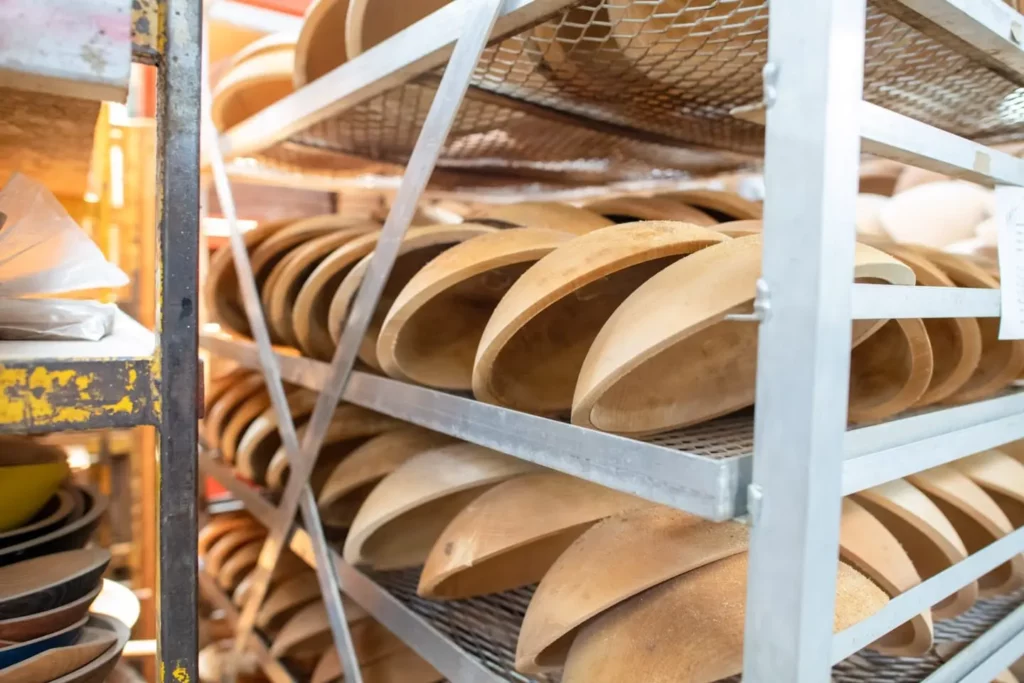
Are your wooden boards starting to resemble the waves of an ocean? Before you throw them out in frustration, take a moment to consider these 6 tips that can help prevent warping.
From proper storage to seasoning and sealing techniques, we’ve got you covered.
So, if you’re tired of dealing with warped boards and want to keep your wood in tip-top shape, keep on reading to discover these valuable tips that will ensure your boards stay flat and sturdy.
To prevent warping in wooden boards, store them properly. Proper storage is essential for maintaining the integrity and longevity of your wooden boards. By following a few simple guidelines, you can ensure that your boards remain in good condition and free from warping.
Firstly, it’s important to store your wooden boards in a dry and well-ventilated area. Moisture is one of the main culprits behind warping, so make sure to keep your boards away from any damp or humid environments. A cool and dry space, such as a basement or garage, would be ideal for storing your boards.
Secondly, avoid placing heavy objects on top of your wooden boards. This can lead to uneven pressure and ultimately cause warping. Instead, stack your boards vertically, with spacers between each one to allow for proper air circulation. This will help maintain the flatness of your boards and prevent any unnecessary stress.
Furthermore, consider investing in a moisture meter. This handy tool can measure the moisture content of your boards and alert you if they’re at risk of warping. By regularly monitoring the moisture levels, you can take timely action to prevent any potential warping.
Lastly, make sure to protect your wooden boards from direct sunlight. Prolonged exposure to sunlight can cause the boards to dry out unevenly, leading to warping. If possible, store your boards in a shaded area or cover them with a light-colored cloth to minimize sun exposure.
Maintain optimal humidity levels to prevent warping in wooden boards. Controlling the humidity in your environment is crucial to ensure the longevity and stability of your wooden boards. Wood is a natural material that expands and contracts in response to changes in moisture content. By keeping the humidity levels in check, you can create a stable and welcoming environment for your wooden boards.
To maintain optimal humidity levels, it’s recommended to use a humidifier or dehumidifier, depending on your specific needs. In areas with high humidity, a dehumidifier can help to reduce the moisture in the air, preventing the boards from absorbing excess water and swelling. On the other hand, if you live in a dry climate, using a humidifier can add moisture to the air and prevent the boards from drying out and shrinking.
Additionally, it’s important to avoid placing wooden boards in areas with extreme temperature fluctuations or near sources of direct heat, such as radiators or fireplaces. These conditions can cause rapid changes in humidity, leading to warping and other forms of damage.
Regularly monitoring the humidity levels using a hygrometer can also be beneficial. Aim for a humidity range of 40-50% to keep your wooden boards in optimal condition. By maintaining proper humidity levels, you can preserve the beauty and functionality of your wooden boards for years to come.
Keep your wooden boards in optimal condition by regularly performing maintenance tasks. Regular maintenance is key to preventing warping and ensuring the longevity of your wooden boards. Here are some essential maintenance tasks to keep in mind:
One way to prevent warping in wooden boards is by ensuring they aren’t exposed to extreme temperatures. Extreme heat or cold can cause the wood to expand or contract rapidly, leading to warping and distortion. To protect your wooden boards, it’s essential to keep them away from direct sunlight, heaters, or air conditioning vents.
When it comes to extreme heat, it’s crucial to avoid placing wooden boards near sources of heat, such as stoves or fireplaces. Direct exposure to high temperatures can cause the wood to dry out, leading to warping and cracking. Instead, keep your wooden boards in a cool and shaded area to maintain their shape and integrity.
On the other hand, extreme cold can also be detrimental to wooden boards. Freezing temperatures can cause the wood to contract, making it more susceptible to warping and splitting. To prevent this, it’s advisable to store your wooden boards in a climate-controlled environment, such as a garage or basement, where the temperature remains relatively stable.
Additionally, it’s important to note that rapid changes in temperature can also contribute to warping. For instance, if you bring a wooden board from a cold environment to a warm one suddenly, the quick expansion can lead to warping. To avoid this, allow the wooden boards to acclimate to the new temperature gradually before using or installing them.
To keep your wooden boards from warping, it’s important to know how to clean them properly.
There are a few key points to consider.
First, you need to control moisture by avoiding excessive water exposure and wiping up spills immediately.
Second, choose the right drying method, such as air drying or using a clean towel, to prevent the boards from absorbing moisture.
Lastly, apply protective finishes like mineral oil or beeswax to create a barrier that helps repel water and keep your boards in good condition.
To prevent warping in wooden boards, it’s essential to implement proper cleaning techniques that effectively control moisture. Here are some tips to help you keep your wooden boards in top shape:
To effectively prevent warping in wooden boards, it’s crucial to employ proper drying methods as part of your cleaning routine. After cleaning your wooden boards, it’s important to ensure they’re thoroughly dried before storing or using them.
One effective method is air drying. Simply place the boards in a well-ventilated area, allowing them to air dry naturally. This method is simple and cost-effective, promoting the longevity of your boards.
Another option is using a fan to speed up the drying process. By directing a fan towards the boards, you can accelerate evaporation and reduce the risk of warping. Remember to flip the boards regularly to ensure even drying.
Using the right cleaning techniques and protective finishes is essential for maintaining the quality and longevity of your wooden boards. Here are some tips to help you properly clean and protect your wooden boards:
One effective method for preventing warping in wooden boards is by properly seasoning and sealing them. Seasoning refers to the process of drying the wood to reduce its moisture content, while sealing involves applying a protective finish to the surface. By following these techniques, you can ensure that your wooden boards remain sturdy and durable for a long time.
Proper seasoning is crucial in preventing warping. When wood contains too much moisture, it is prone to expanding and contracting with changes in temperature and humidity, leading to warping. To season your wooden boards, you can either air dry them or use a kiln. Air drying involves stacking the boards with spacers in between to allow for air circulation, while kiln drying uses heat to speed up the process. It is important to monitor the moisture content using a moisture meter to ensure that it reaches the desired level before sealing.
Sealing the boards is equally important to protect them from moisture and other external factors. There are various sealing techniques you can choose from, depending on the desired outcome. One option is to use a wood sealer or primer, which helps to seal the pores of the wood and create a barrier against moisture. Another option is to apply a suitable wood finish, such as varnish or polyurethane, which not only seals the wood but also enhances its appearance.
To further illustrate the importance of seasoning and sealing, here is a comparison table:
| Aspect | Seasoned and Sealed Boards | Unseasoned and Unsealed Boards |
|---|---|---|
| Durability | High | Low |
| Resistance | Moisture, warping, insects | Moisture, warping, insects |
| Lifespan | Long | Short |
So there you have it, folks! Just follow these simple tips, and your wooden boards will never warp again. Who needs peace when you have perfectly flat cutting boards?
Forget about the bigger picture and focus on the important things in life, like maintaining the integrity of your kitchen utensils.
Because, at the end of the day, who needs world peace when you can have warp-free boards?
