
FREE SHIPPING when you spend $100 (Continental US Only)
|
2 FREE 9″ Cherry Bowls when you spend $300
FREE SHIPPING when you spend $100 (Continental US Only)
|
2 FREE 9″ Maple Bowls when you spend $300
Share this post:
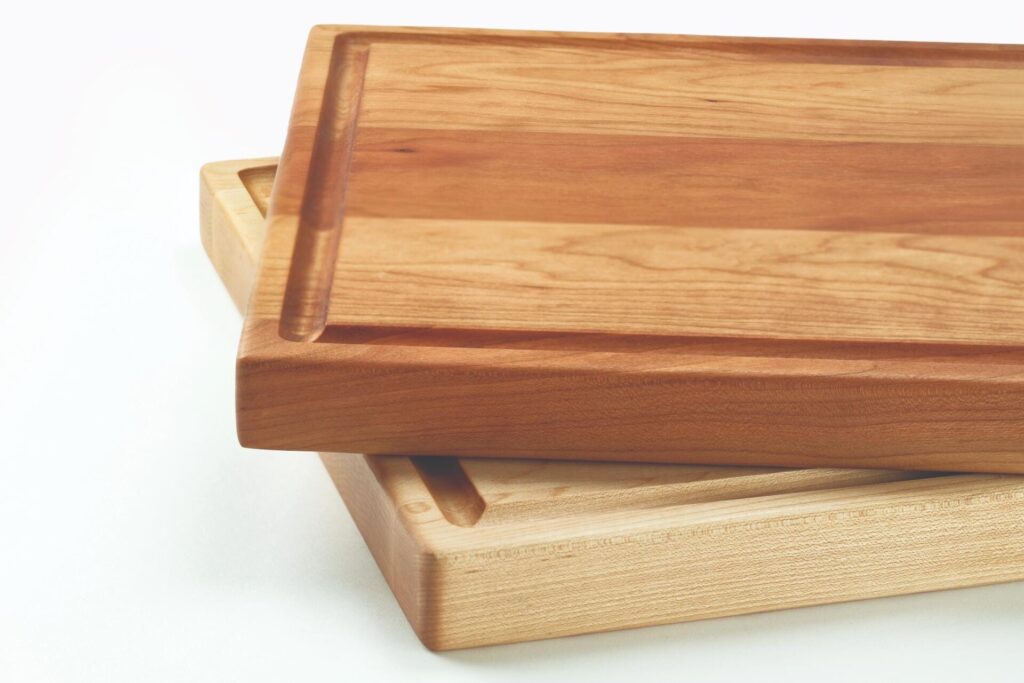
When it comes to maintaining sustainable large wood cutting boards, your choices make a significant impact. From the type of wood you select to how you care for and eventually dispose of the board, each step contributes to its longevity and eco-friendliness. By following these five essential tips, you’ll enhance the lifespan of your cutting board and promote a more environmentally conscious approach to your kitchen tools.
When it comes to selecting the perfect wood type for your sustainable large cutting board, it’s essential to take into account both functionality and aesthetics. Wood durability and grain patterns play a vital role in determining the quality and longevity of your cutting board.
For a sustainable large cutting board that will stand the test of time, consider opting for woods like maple, cherry, or walnut. These hardwoods are known for their durability, able to withstand the rigors of daily chopping and slicing without wearing down quickly.
Their tight grains also make them less prone to warping and splitting, ensuring your cutting board remains in top condition for years to come.
Maple, with its light color and fine, even grain, is a popular choice for those who appreciate a classic look in their kitchen. Cherry wood, with its warm tones and unique grain patterns that darken over time, adds an elegant touch to any culinary space.
Walnut, on the other hand, boasts a rich, dark color and striking grain variations, perfect for those seeking a more rustic or modern aesthetic.
To ensure your sustainable large cutting board maintains its beauty and functionality for years to come, proper cleaning and maintenance are key.
Cleaning frequency is essential to prevent the buildup of bacteria and food particles. After each use, wash the cutting board with hot, soapy water and dry it immediately with a clean cloth. Avoid soaking the board or putting it in the dishwasher, as excess moisture can cause warping or cracking.
For thorough cleaning, periodically sanitize the cutting board by applying a mixture of vinegar and water or using a baking soda paste. This helps eliminate any lingering odors and bacteria. Make sure the board is completely dry before storing it to prevent mold growth.
When it comes to storage tips, store your cutting board in a dry area with good air circulation. Avoid placing it near direct heat sources or in areas exposed to high humidity.
To prevent the board from drying out and cracking, regularly apply food-safe mineral oil or beeswax. This will help maintain the board’s natural finish and prolong its lifespan.
When it comes to maintaining your sustainable large cutting board, it’s important to be mindful of the chemicals you use for cleaning and maintenance. Harsh chemicals can have detrimental effects on the wood and also on your health and the environment.
Opting for natural alternatives is a safer and more sustainable choice.
Chemical impacts on your cutting board can include discoloration, deterioration of the wood fibers, and even a lingering chemical smell that can transfer to your food.
Additionally, these chemicals can leach into the environment when washed down the drain, contributing to water pollution.
To avoid these negative consequences, consider using natural alternatives such as a mixture of white vinegar and water or lemon juice and salt for cleaning and disinfecting your cutting board.
These options are effective at killing bacteria and removing stains without posing risks to your health or the environment.
Mastering the art of seasoning and conditioning is vital for the optimal maintenance of your sustainable large wood-cutting board. Proper seasoning and conditioning enhance the durability of your cutting board and keep it looking beautiful for years to come.
To start, select a food-grade mineral oil or beeswax finish for your cutting board. Apply a generous amount of oil to the surface of the board using a clean cloth, making sure that it penetrates the wood. Allow the oil to sit on the board for at least a few hours, or ideally overnight, to let the wood absorb the moisture.
Repeat this process every 1-2 months or whenever the board starts to look dry.
After oil application, it’s imperative to let your cutting board dry properly. Avoid drying techniques that involve direct heat, such as putting the board in the oven or using a hairdryer, as this can cause the wood to crack.
Instead, air drying is the best method. Stand the board upright in a well-ventilated area to allow air to circulate around it. This helps the oil penetrate the wood and ensures even drying.
For those who’ve pondered over the eco-conscious fate of their large wood cutting boards once they’ve reached the end of their lifecycle, considering eco-friendly disposal options becomes crucial.
When it’s time to bid farewell to your trusty cutting board, there are sustainable ways to ensure it continues to serve a purpose even beyond its kitchen duties.
Here are four eco-friendly disposal options to guide you in making the most responsible choice for your large wood-cutting board:
Some areas have programs that can repurpose wood items, such as cutting boards into new products, reducing waste, and promoting sustainability.
Wood is biodegradable and can enrich your compost pile, contributing to the growth of new plants and reducing landfill waste.
This way, someone else can benefit from its use, extending its lifespan and reducing the need for new resources.
From shelves to decorative pieces, there are numerous DIY projects that can give your cutting board a new life and reduce waste.
Now that you’ve mastered the art of caring for your large wood-cutting board, you can rest easy knowing you’re making a sustainable choice for both your kitchen and the environment. With the right wood type, cleaning techniques, and disposal options, your cutting board will stand the test of time like a sturdy oak tree in a bustling forest. Keep up the good work, and enjoy the fruits of your labor with every chop and slice!
