
FREE SHIPPING when you spend $100 (Continental US Only)
|
2 FREE 9″ Cherry Bowls when you spend $300
15% OFF SITEWIDE through June 9
|
FREE SHIPPING when you spend $100 (Continental US Only)
|
2 FREE 9″ Maple Bowls when you spend $300
Share this post:
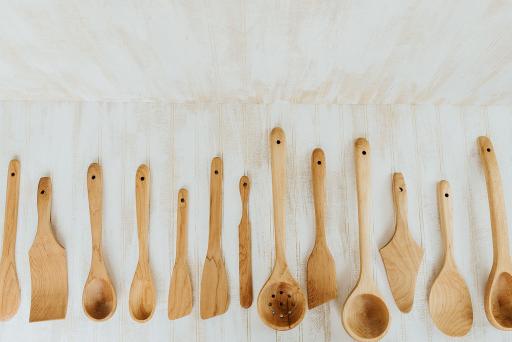
When it comes to maintaining the quality of your wooden utensils, there are five key practices you should adhere to. From proper cleaning techniques to storage tips, each step plays an essential role in preserving the natural beauty and functionality of these kitchen essentials. By following these best practices diligently, you can ensure that your wooden utensils remain durable and reliable for years. But what exactly are these practices, and how can they benefit your cooking experience? Let’s explore further.
To maintain the integrity and longevity of your wooden utensils, it’s crucial to employ proper cleaning techniques. Start by washing your wooden utensils with hot water and a mild soap. Remember, wooden utensils aren’t enthusiasts of the dishwasher; they prefer the gentle touch of your hands.
With precise movements, use a soft sponge or cloth to give them a thorough yet gentle scrubbing. This step ensures that any food residues are eliminated without harming the wood.
After cleaning, it’s time to show your wooden utensils some affection by oiling them. Using a food-grade mineral oil or a specially formulated wood conditioner, apply a thin layer to the utensils. This process moisturizes the wood and creates a protective shield against moisture and food particles.
Once your wooden utensils have been meticulously cleaned and nourished, the next step in ensuring their longevity is proper drying. The way you dry your wooden utensils can significantly impact their durability and quality over time.
Air drying is a simple and effective method that allows for thorough drying without the risk of moisture being trapped. To air dry your wooden utensils, place them in a well-ventilated area away from direct sunlight and let them dry naturally. This method helps prevent warping or cracking, ensuring your utensils remain in top condition for longer periods.
Alternatively, towel drying provides a quicker way to remove excess moisture from the wooden utensils. After washing them, use a clean, dry towel to gently pat them dry. Make sure to remove all moisture, including in crevices or joints, to prevent water from seeping into the wood and causing damage.
Regularly seasoning your wooden utensils is a vital practice that enhances their longevity and performance. By properly caring for your wooden utensils, you secure their durability and maintain their natural beauty. Here are some key tips to help you season your wooden utensils effectively:
Following these simple yet essential steps will guarantee that your wooden utensils remain in top condition, ready to serve you well for years.
For the best preservation of your wooden utensils, meticulous attention to storage is paramount. Proper humidity control is essential to prevent your utensils from drying out or absorbing excess moisture, which can lead to warping or cracking. To maintain the ideal humidity level, consider storing your wooden utensils in a cool, dry place away from direct sunlight and sources of heat or moisture.
When it comes to container options for storing your wooden utensils, you have a few choices. One popular option is a utensil crock or holder made of ceramic, glass, or wood. These containers provide a designated spot for your utensils to rest when not in use, keeping them organized and easily accessible while also protecting them from dust and potential damage.
Another option is to hang your wooden utensils on a utensil rack or hook mounted on a wall or inside a cabinet. This method saves valuable countertop or drawer space and allows for proper airflow around the utensils, aiding in the prevention of moisture buildup.
To preserve the integrity of your wooden utensils, it’s imperative to shield them from harsh conditions that could compromise their durability and functionality. Wooden utensils, though resilient, are sensitive to their environment and require proper care to prolong their lifespan. Here are essential practices to avoid subjecting your wooden utensils to harsh conditions:
By following these five best practices for preserving wooden utensils, you can guarantee they stay as sturdy and beautiful as a well-crafted piece of furniture. Remember to clean with care, dry thoroughly, season regularly, store properly, and avoid harsh conditions. With these steps, your wooden utensils will continue to serve you well for years to come, just like a finely tuned instrument in the hands of a master craftsman.