
FREE SHIPPING when you spend $100 (Continental US Only)
|
2 FREE 9″ Cherry Bowls when you spend $300
FREE SHIPPING when you spend $100 (Continental US Only)
|
2 FREE 9″ Maple Bowls when you spend $300
Share this post:
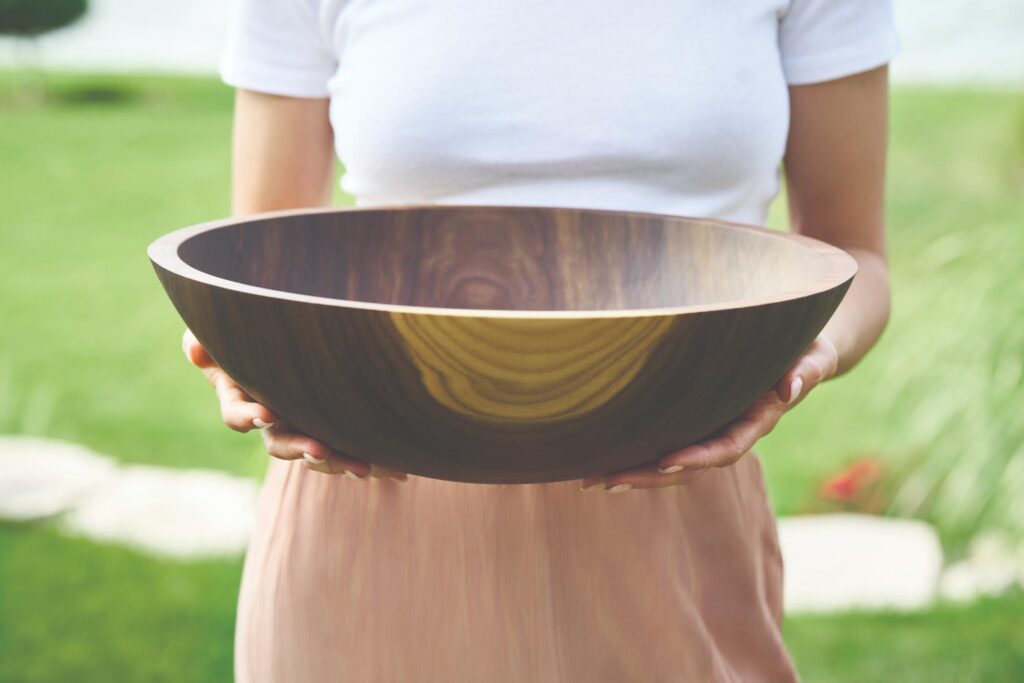
Proper care is essential for the longevity of wooden bowls. Ensuring your bowls are seasoned correctly enhances their appearance and also protects them from damage over time. But how exactly can you achieve that perfect seasoning? Let’s explore some vital tips that will help you maintain your wooden bowls in pristine condition for years.
When it comes to seasoning wooden bowls, selecting the appropriate oil is vital for achieving a durable and food-safe finish. Different oil types offer various benefits, with common options being mineral oil, walnut oil, and food-grade linseed oil.
Mineral oil is a popular choice due to its odorless and colorless properties, making it ideal for maintaining the natural look of the wood.
Walnut oil provides a rich finish and is known for its ability to enhance the wood’s grain patterns.
Food-grade linseed oil, while taking longer to dry, offers excellent protection and a lustrous finish.
In terms of quantity, applying a generous amount of oil is necessary to ensure the wood absorbs an adequate coating. Start by pouring a small amount of oil onto the bowl’s surface and use a clean cloth to spread it evenly, covering all areas, including the inside and outside. Allow the oil to penetrate the wood for about 20 minutes before wiping off any excess. Repeat this process several times, allowing each layer to dry completely before applying the next.
When cleaning your wooden bowl thoroughly, remember to use a mild soap that won’t harm the wood.
Gently scrub the bowl with a soft sponge to remove any residue or food particles.
Once cleaned, make sure the bowl is completely dry before moving on to the next step in the seasoning process.
To clean the wooden bowl thoroughly, start by using a mild soap. When selecting a soap, make sure it is gentle and suitable for the type of wood your bowl is made from to prevent damage. Avoid harsh chemicals that can strip the wood of its natural oils and finish.
Using mild soap will help remove any food residues and oils without leaving behind soap residue that could affect the flavor of your next meal. After cleaning, rinse the bowl thoroughly with warm water to make certain all soap is removed. Following these steps will keep your wooden bowl clean and well-maintained, ready for your next use.
The vital final step in ensuring the wooden bowl is cleaned thoroughly and effectively is allowing it to dry completely. Proper maintenance requires ensuring the bowl is completely dry before storing or using it again.
After washing the bowl with mild soap and warm water, use a clean, dry cloth to wipe off any excess moisture. To expedite the drying process, you can also leave the bowl in a well-ventilated area with good airflow.
It’s essential to prevent cracks by not leaving any water trapped in the wood, as this can lead to damage over time. By thoroughly drying the bowl, you’re taking a proactive step in maintaining its quality and longevity.
Opt for a light touch when applying oil to wooden bowls. Proper maintenance of your wooden bowls involves careful oil application to ensure they remain in top condition. When it comes to applying oil sparingly, less is more. Start by choosing a food-safe oil such as mineral oil, walnut oil, or beeswax. These oils are ideal for wooden bowls as they help prevent drying and cracking while enhancing the natural beauty of the wood.
To begin, pour a small amount of oil onto a clean, lint-free cloth. Gently rub the oil onto the surface of the wooden bowl, making sure to cover all areas, including the inside and outside. Use circular motions to spread the oil evenly, paying extra attention to any dry or rough spots. Remember, you only need a thin layer of oil to safeguard the wood effectively.
After applying the oil, allow it to penetrate the wood for about 20-30 minutes. Then, using a fresh cloth, wipe off any excess oil from the bowl’s surface. This step helps prevent the bowl from feeling sticky or oily when in use.
Once you’ve wiped off the excess oil, let the bowl sit for a few hours to allow the remaining oil to fully absorb into the wood.
For best results when seasoning wooden bowls, ensuring proper drying time is vital. After applying oil sparingly, the next essential step is allowing your wooden bowl to dry thoroughly. Air drying is the most effective method for this process.
Place your freshly oiled bowl in a well-ventilated area with consistent airflow. Avoid exposing it to direct sunlight or heat sources, as this can cause the wood to dry too quickly and crack.
Moisture control is key during the drying phase. Monitor the humidity levels in the drying area to ensure they remain stable. Fluctuations in humidity can impact the drying process and the overall quality of your seasoned wooden bowl.
Using a dehumidifier or humidifier can help maintain optimal conditions for drying.
Patience is a virtue when it comes to allowing proper drying time. Depending on the type of wood and the climate in your area, the drying process can take anywhere from a few days to a couple of weeks.
To test if your wooden bowl is fully dried, touch the surface lightly. If it feels cool to the touch and there are no visible signs of moisture, then it’s ready for the next step in the seasoning process.
After thoroughly drying your wooden bowl, the seasoning process’s next step involves repeating the oil application. This step is important in preventing cracks and ensuring proper maintenance of your wooden bowl. Consistent care through repeating the seasoning process will help prevent damage over time. Here’s how to effectively repeat the seasoning process:
When preparing to store your wooden bowl, it is necessary to consider a few key factors to maintain its quality and longevity. Proper storage is vital in preventing cracks and safeguarding your bowl so that it remains in pristine condition for years to come. Here are some tips to help you store your wooden bowl correctly:
| Proper Storage Tips | Description | Benefits |
|---|---|---|
| Keep in a Cool, Dry Place | Store your wooden bowl away from direct sunlight or sources of heat to prevent drying out and potential cracking. | Preserve the wood’s moisture content, preventing cracks. |
| Avoid Stacking Heavy Items | Do not stack heavy objects on top of your wooden bowl to prevent unnecessary pressure that could lead to cracks. | Preserve the bowl’s structural integrity and shape. |
| Use a Cloth or Tissue Paper | Place a soft cloth or tissue paper inside the bowl before storing it to protect the surface from scratches or abrasions. | Prevents surface damage, maintaining the bowl’s appearance. |
| Regularly Check for Moisture | Periodically inspect your wooden bowl for any signs of moisture buildup, which could lead to mold or mildew. | Ensures the bowl remains dry and free from potential damage. |
| Rotate the Bowl | Occasionally rotate the position of the bowl in storage to equalize any potential stress points and maintain its overall integrity. | Helps prevent warping and uneven wear over time. |
To maintain the longevity and quality of your wooden bowl, it’s important to be mindful of the cleaners you use. Using harsh chemicals can damage the wood and strip away the seasoning you’ve worked hard to establish. Here are some tips to help you avoid harsh cleaners and keep your wooden bowl in top condition:
Monitoring the bowl’s condition is a fundamental aspect of preserving its quality and longevity. Regularly checking for cracks and warping and preventing mold or mildew will ensure your wooden bowl stays in top shape for years. Here’s a detailed guide on how to supervise your wooden bowl effectively:
| Aspect to Monitor | What to Look For | Recommended Action |
|---|---|---|
| Cracks | Small splits, fissures on the surface | Apply food-safe wood filler to mend |
| Warping | The uneven or distorted shape | Place the bowl upside down in a dry area to aid it in regaining its shape |
| Mold and Mildew | Fuzzy patches, musty smell | Clean with a mixture of vinegar and water, then thoroughly dry |
Regularly inspect your wooden bowl for any signs of damage or deterioration. Cracks can compromise the structural integrity, so addressing them promptly is vital. Warping may occur due to changes in humidity, but proper care can help restore its original shape. Mold and mildew can develop in damp environments, so make sure your bowl is completely dry after each use. By staying vigilant and taking proactive measures, you can maintain the beauty and functionality of your wooden bowl for a long time.
Now that you’ve followed these essential tips for seasoning your wooden bowls envision a future where your bowls gleam with a rich finish, exuding warmth and charm. With proper care and maintenance, your wooden bowls will stand the test of time, serving as both functional kitchen tools and beautiful decorative pieces. Embrace the tradition of handcrafted wooden bowls, preserving their beauty for generations to come.
