
FREE SHIPPING when you spend $100 (Continental US Only)
|
2 FREE 9″ Cherry Bowls when you spend $300
FREE SHIPPING when you spend $100 (Continental US Only)
|
2 FREE 9″ Maple Bowls when you spend $300
Share this post:
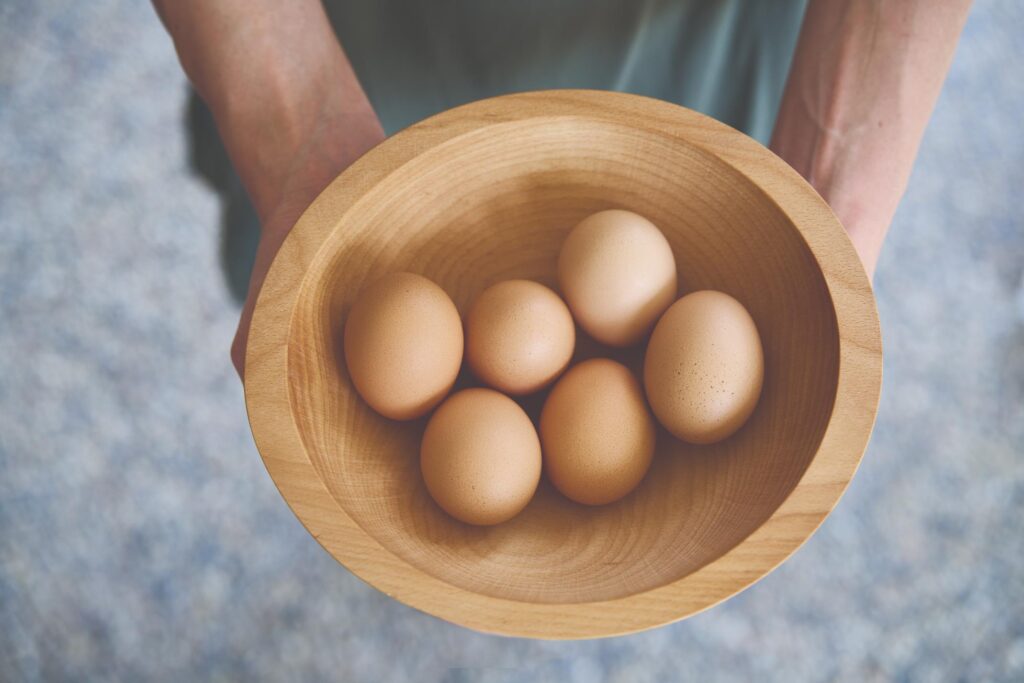
When it comes to ensuring the longevity of your cherished wood bowls, mastering the art of cleaning is important. From the gentle touch required during hand washing to the strategic methods for drying and stain removal, there’s a whole world to explore in the domain of wood bowl maintenance. By learning the essential techniques for preserving the beauty and integrity of your wood bowls, you’ll discover the secret to keeping them in pristine condition for years to come.
When cleaning a wood bowl, using the appropriate washing technique is vital to maintaining its beauty and longevity. To begin, fill a basin with warm water and add a small amount of mild dish soap. Submerge the wood bowl in soapy water and use a soft sponge or cloth to gently scrub the surface. Avoid harsh abrasives or scouring pads that can harm the wood’s finish.
Pay special attention to any stubborn stains by creating a paste of baking soda and water. Apply the paste to the affected area and let it sit for a few minutes before gently scrubbing with a soft brush. Rinse the bowl thoroughly with clean water to remove any soap residue.
After washing, it’s important to allow the wood bowl to air dry completely. Place it upside down on a drying rack to guarantee proper airflow. Avoid drying the bowl near a heat source or in direct sunlight, as this can cause the wood to warp or crack.
To properly dry a wood bowl after washing, it’s important to follow specific methods that preserve its integrity and prevent damage. After washing your wood bowl, the next essential step is making sure it dries thoroughly.
One effective method is air drying. Place the clean bowl in a well-ventilated area, away from direct sunlight and heat sources. This allows the wood to naturally dry and prevents any moisture from being trapped, which could lead to mold or warping.
Alternatively, you can opt for towel drying. Gently pat the wood bowl with a clean, dry towel to absorb excess water. Ensure you reach all the crevices and edges to prevent water from lingering and potentially causing damage over time. However, avoid rubbing the wood vigorously, as this could scratch or damage the surface.
Whichever method you choose, make sure the wood bowl is completely dry before storing it away. Lingering moisture can compromise the integrity of the wood and lead to issues like cracking or mold growth. By following these drying methods, you can help maintain the beauty and durability of your wood bowl for years to come.
When removing stains safely from your wood bowls, it’s essential to opt for gentle stain removal techniques that won’t damage the wood.
Utilizing natural cleaning solutions like a mixture of vinegar and water can effectively lift stains without harsh chemicals.
Additionally, to prevent future stains, consider regularly conditioning your wood bowls with food-safe oils to create a protective barrier.
The process of gentle stain removal from wood bowls necessitates a delicate touch and careful consideration of the type of stain present. When dealing with stains on your cherished wood bowls, it is crucial to approach the removal process with caution to preserve the bowl’s natural beauty. Below is a table outlining some gentle stain removal techniques you can use to keep your wood bowls looking their best:
| Stain Type | Gentle Removal Technique |
|---|---|
| Water Stains | Lightly sand with fine-grit sandpaper. |
| Food Stains | Create a paste with baking soda and water, apply, and wipe off gently. |
| Oil or Grease Stains | Sprinkle cornstarch on the stain, let it sit, then brush off. |
For effectively removing stains from your wood bowls while prioritizing safety and preserving their natural beauty, natural cleaning solutions offer a reliable and eco-friendly approach.
When dealing with stains on your wood bowls, a vinegar solution can work wonders. Mix equal parts of water and vinegar, apply it to the stained area, and let it sit for a few minutes before gently scrubbing it with a soft cloth. The acidic properties of vinegar help break down the stains without damaging the wood.
Another effective natural cleaning solution is the lemon juice technique. Lemon juice, with its natural bleaching properties, can be used to tackle stubborn stains on your wood bowls. Simply apply lemon juice directly to the stained area, let it sit for a while, and then wipe it off with a damp cloth. The gentle yet effective nature of lemon juice makes it a safe option for cleaning and preserving the beauty of your wooden bowls.
These natural cleaning solutions are effective and environmentally friendly, ensuring a safe and sustainable cleaning process for your cherished wood bowls.
To prevent future stains on your wood bowls while ensuring safe and effective cleaning, it’s significant to establish a routine maintenance plan that includes regular cleaning and proper storage.
Stain prevention begins with using protective finishes like food-safe oils or beeswax to create a barrier against liquids and food stains. When cleaning your wood bowls, avoid harsh chemicals that can damage the wood and opt for gentle, natural solutions like vinegar and water.
Regularly wipe down your bowls after each use to prevent stains from setting in. For stubborn stains, gently scrub with a soft brush and mild soap, then dry thoroughly to avoid moisture damage.
Proper storage is also essential in stain prevention – store your wood bowls in a cool, dry place away from direct sunlight and extreme temperatures.
To maintain your wood bowl’s finish, preserving its shine with regular cleanings using a soft cloth is crucial.
Prevent water damage by avoiding prolonged exposure to moisture and ensuring the bowl is completely dry after cleaning.
Additionally, safeguard the wood by periodically applying a thin layer of oil to keep it hydrated and looking its finest.
Maintaining the shine of your wood bowl is essential to preserving its finish and enhancing its overall appearance. Regular shine maintenance and polishing tricks are key to keep your wood bowl looking its best. If you notice surface scratches detracting from its beauty, there are effective repair techniques you can employ to restore its luster.
Here are some polishing tricks and repair techniques to help you preserve your wood bowl’s shine:
| Polishing Tricks | Repair Techniques |
|---|---|
| Use a soft cloth to apply a thin layer of mineral oil to the bowl’s surface in circular motions. | Mix equal parts of lemon juice and baking soda to create a paste. Apply to scratches, leave for a few minutes, then wipe off and buff the area. |
| Create a mixture of equal parts of olive oil and white vinegar to polish the bowl gently. | Fill scratches with wood filler, let dry, then sand the area until smooth. Finish by applying a wood-safe polish. |
Protecting your wood bowl from water damage is vital in maintaining its beautiful finish and prolonging its lifespan. Moisture prevention is key to ensuring your wood bowl remains in top condition.
To prevent water damage, consider using sealing techniques such as applying a food-safe sealant to create a protective barrier against moisture. This will help safeguard your wood bowl from potential harm caused by exposure to water.
In addition to sealing, controlling humidity levels in your storage area can also contribute to wood bowl protection. High humidity can lead to warping or cracking of the wood, so it’s essential to store your bowl in a dry environment.
Consider using a dehumidifier or silica gel packets to absorb excess moisture in the air and maintain a stable humidity level.
Wood bowls require regular upkeep to maintain their finish looking pristine over time. One effective method for preserving the beauty and durability of your wood bowl is oiling.
Conditioning wood with oil helps to safeguard it from drying out and cracking. To oil your wood bowl, first, make sure it’s clean and completely dry. Then, apply a small amount of food-safe oil, such as mineral oil or walnut oil, to a soft cloth. Rub the oil onto the bowl, ensuring to cover the entire surface evenly.
Let the oil penetrate the wood for a few hours or overnight before wiping off any excess. This process nourishes the wood and aids in polishing surfaces, giving your bowl a smooth and glossy finish.
Repeat this oiling process every few months or as needed to keep your wood bowl looking its best. By integrating regular oiling into your wood bowl maintenance routine, you can secure its longevity and beauty for years.
Regularly examining your wood bowl for any signs of warping or cracking is crucial in preserving its longevity and functionality. To prevent warping and cracking, proper moisture control and storage suggestions are vital.
Wood is sensitive to changes in humidity, so it’s important to store your bowl in a cool, dry place away from direct sunlight and sources of heat. Avoid placing it near vents or radiators as sudden temperature changes can lead to warping.
Temperature regulation is also fundamental to preventing warping and cracking. Extreme temperatures can cause the wood to expand or contract rapidly, leading to damage. To safeguard your wood bowl, keep it in a stable environment with moderate temperature levels.
Additionally, regular wood care is necessary. Make sure your bowl is well-oiled and cleaned to maintain its moisture balance and prevent drying out, which can lead to cracking.
To effectively season your wood bowl, it’s essential to understand the process and significance of this technique. Seasoning wood bowls involves treating the wood with oils to enhance its durability and appearance. The primary purpose of seasoning is to prevent the wood from drying out, which can lead to cracking or warping over time.
Oil application is a pivotal step in the seasoning process. Use food-safe oils such as mineral oil or walnut oil to coat the bowl evenly. The oil penetrates the wood, creating a protective barrier that helps retain moisture and prevents the wood from becoming brittle. Apply a generous amount of oil to the entire surface of the bowl, including the inside and outside, and let it absorb for a few hours or overnight.
Wood hydration is another key aspect of seasoning wood bowls. By applying oil regularly, you help hydrate the wood and maintain its moisture content. This prevents cracks and enhances the natural beauty of the wood, giving it a rich, lustrous finish.
Remember to reapply oil periodically, especially if the bowl is frequently used or washed.
To maintain the longevity and beauty of your wood bowl, implementing proper long-term care practices is essential. To keep your wood bowl in top condition, follow these tips for long-term wood bowl care:
When it comes to long-term care for your wood bowl, consistency is key. Regular wood bowl conditioning helps prevent damage and maintains the bowl’s natural beauty. Here are some maintenance tips to safeguard your wood bowl lasts for years to come:
| Tip | Description | Frequency |
|---|---|---|
| Wood Bowl Conditioning | Apply food-safe mineral oil or beeswax to hydrate and protect the wood surface. | Every 1-2 months |
| Preventing Damage | Avoid extreme temperature changes and prolonged exposure to sunlight. | As needed |
| Maintenance Routine | Hand wash with mild soap and lukewarm water, and dry thoroughly after each use. | After every use |
Remember to regularly wash wood bowls with gentle soap and water, dry them thoroughly, and keep them well-oiled to maintain their beauty and longevity. By following these essential cleaning techniques, you can help your wood bowls stay beautifully smooth and sustainably stylish for years. So, enjoy the satisfaction of flawless, gleaming wood bowls with these straightforward yet clever solutions!
