
FREE SHIPPING when you spend $100 (Continental US Only)
|
2 FREE 9″ Cherry Bowls when you spend $300
FREE SHIPPING when you spend $100 (Continental US Only)
|
2 FREE 9″ Maple Bowls when you spend $300
Share this post:
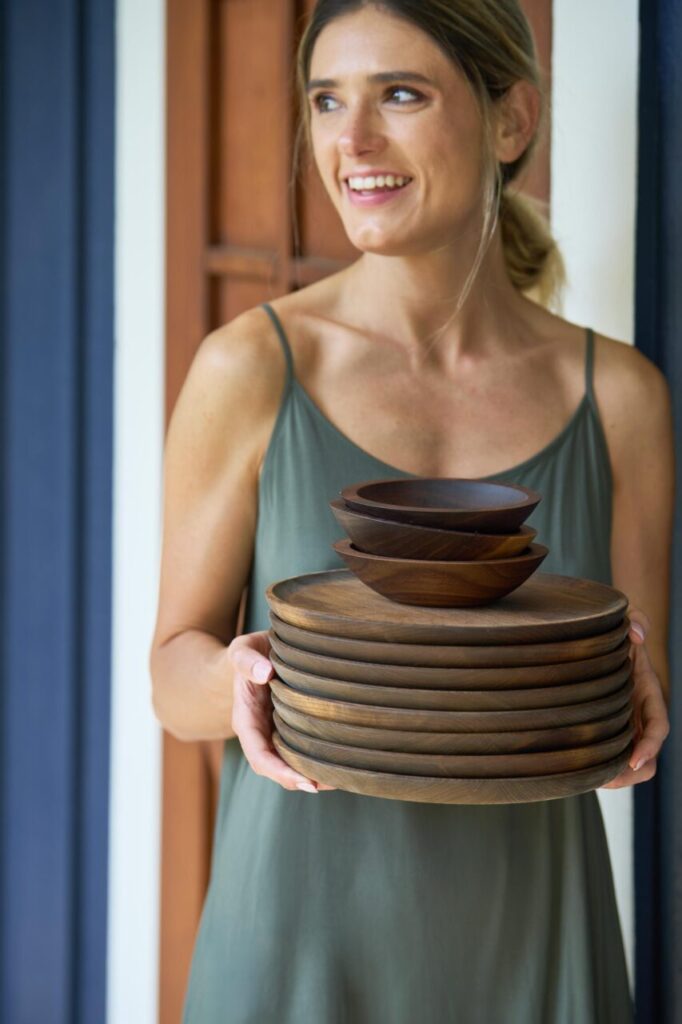
If you’re concerned about cleanliness, you might be hesitant to contemplate wooden utensils and bowls for your kitchen needs. However, did you know that wooden surfaces possess natural antimicrobial properties that can actually help maintain a healthier cooking environment? By exploring the health benefits of wooden kitchen tools further, you’ll uncover a wealth of advantages that go beyond just hygiene.
One noteworthy quality that sets them apart when it comes to wooden utensils and bowls is their natural antimicrobial properties. Wooden kitchen tools have been shown to possess inherent defenses against harmful bacteria, making them a wise choice for maintaining kitchen hygiene and enhancing food safety.
Unlike plastic or metal utensils, wood contains antimicrobial compounds that can help inhibit the growth of microbes on its surface, reducing the risk of contamination during food preparation.
Wooden utensils and bowls can effectively combat bacteria such as E. coli and salmonella, which are common culprits in foodborne illnesses. This natural ability of wood to ward off harmful pathogens contributes significantly to ensuring the safety of the food you prepare and serve to your loved ones.
By choosing wooden kitchen tools, you’re taking a proactive step towards safeguarding your kitchen against potential health risks.
In addition to their antimicrobial properties, wooden utensils and bowls are easy to clean and maintain. Proper care, such as handwashing with mild soap and water, can help prolong their lifespan and effectiveness in promoting kitchen hygiene.
Remember to avoid soaking wooden utensils for extended periods, as excessive moisture can damage the wood. By incorporating wooden utensils and bowls into your kitchen, you’re embracing a more natural and sustainable option while also prioritizing food safety and cleanliness.
When choosing wooden utensils and bowls, you’re choosing a natural material that’s biodegradable and renewable. Using wooden kitchen tools can reduce your environmental impact compared to plastic or metal alternatives.
Additionally, wooden utensils are known for their long-lasting and durable qualities, making them a sustainable option for your kitchenware needs.
Choosing wooden utensils and bowls for your kitchen is more than just a stylish choice but also a sustainable one. When it comes to natural material choices, wooden kitchenware stands out for its eco-friendly and sustainable properties. Here are some reasons why opting for wooden utensils and bowls is a great decision:
Opting for wooden utensils and bowls is a practical and eco-friendly solution for reducing the environmental impact of your kitchenware choices and promoting sustainability. By choosing wooden kitchenware, you’re demonstrating environmental consciousness and supporting sustainable living practices. These items are often crafted from ethically sourced wood, ensuring that the materials are obtained in a responsible and sustainable manner.
Wooden utensils and bowls are made from renewable resources, such as bamboo or beechwood, which can be replenished naturally. This means that by using wooden kitchenware, you’re contributing to the conservation of our planet’s resources.
Additionally, the production of wooden utensils and bowls typically has a lower carbon footprint compared to plastic or metal alternatives, further reducing the environmental impact of your kitchenware choices.
Embracing wooden kitchenware aligns with the principles of sustainable living and ethical sourcing, making it a conscious choice for those seeking to minimize their environmental footprint while enjoying the benefits of durable and versatile kitchen tools.
Embracing wooden utensils and bowls doesn’t just reduce your environmental impact but also offers a sustainable and eco-friendly solution that’s long-lasting and durable. By opting for wooden kitchenware, you’re making a conscious choice towards reducing waste and promoting sustainability. Here’s why wooden utensils and bowls are a great eco-conscious choice:
Make the eco-conscious choice today by incorporating durable and long-lasting wooden utensils and bowls into your kitchen.
When considering wooden utensils and bowls, it’s important to focus on the material’s non-responsive properties. Wooden utensils are known for being safe for food preparation and for being beneficial cooking utensils. The non-responsive nature of wooden utensils is advantageous when working with acidic ingredients like tomatoes or citrus fruits. Unlike reactive materials such as aluminum or copper, wooden utensils don’t interact with acidic foods, ensuring that the taste remains unaffected and the dish is safe to consume.
Using non-responsive materials in food preparation is vital for maintaining the integrity of both the ingredients and the utensils themselves. When reactive materials come into contact with acidic foods, they can potentially leach harmful substances into the food, compromising its safety. Wooden utensils eliminate this risk, providing a reliable and safe option for cooking and serving various dishes.
In addition to being safe and healthy, wooden utensils also gently touch cookware. The non-responsive nature of wood prevents scratches and damages to pots and pans, extending their lifespan. By choosing wooden utensils and bowls made from non-responsive materials, you aren’t just prioritizing your health but also ensuring the longevity of your cookware.
Wooden utensils and bowls are gentle on your cookware because they’re less likely to scratch or damage the surfaces. These cookware-friendly utensils are ideal for use with non-stick pans and other delicate kitchen tools. Their non-abrasive nature helps preserve the quality and longevity of your cookware while ensuring safe and effective cooking practices.
Selecting utensils gently on cookware is crucial to maintaining the longevity of your pots and pans. When choosing cookware-friendly utensils, consider the following:
To maintain the longevity of your cookware, it is essential to equip your kitchen with non-abrasive kitchen tools that are gentle on your pots and pans. Using utensils that are abrasive can cause scratches on the surface of your cookware, leading to wear and tear over time. Opting for non-abrasive tools will help preserve the quality of your pots and pans, ensuring they last for years to come.
When it comes to utensil care and kitchen hygiene, choosing the right tools is vital. Here is a table showcasing some non-abrasive kitchen tools that are gentle on cookware:
| Non-Abrasive Kitchen Tools | Benefits |
|---|---|
| Silicone Spatula | Flexible and heat-resistant |
| Wooden Spoon | Gentle on non-stick surfaces |
| Nylon Tongs | Safe for all types of pans |
| Silicone Whisk | Easy to clean and durable |
| Bamboo Cooking Utensils | Lightweight and eco-friendly |
Enhancing food flavors is a key benefit of using wooden utensils and bowls in your kitchen. Wooden tools can greatly elevate your culinary experience by enhancing the taste of your dishes. Here’s how wooden utensils and bowls can help enhance food flavors:
For those in search of kitchen tools that are easy to sustain, wooden utensils and bowls offer a practical solution. The convenient upkeep of wooden utensils and bowls provides hygienic benefits that can enhance your overall cooking experience.
Unlike other materials, wood naturally possesses antibacterial properties that can help prevent the growth of harmful bacteria, making it a safe choice for your kitchen.
Wooden utensils and bowls are also time-saving when it comes to cleaning. The smooth surface of wood makes it easy to wipe clean with warm, soapy water, reducing the effort and time needed for maintenance.
Additionally, wood is less likely to scratch or damage cookware compared to metal utensils, prolonging the lifespan of your pots and pans.
Effortless cleaning is a significant advantage of using wooden kitchen tools. Unlike utensils with hard-to-reach crevices or intricate designs, wooden utensils, and bowls have a simple and uniform surface that can be quickly wiped down and dried.
This ease of maintenance saves you time and guarantees that your kitchen tools remain in top hygienic condition, ready for your next culinary adventure.
When considering kitchen tools, durability and longevity are key factors to prioritize. Wooden utensils and bowls excel in this aspect due to their timeless craftsmanship and rustic elegance.
Here are four reasons why wooden utensils and bowls are durable and long-lasting:
With a focus on sustainability and environmental impact, wooden utensils and bowls stand out as biodegradable and earth-friendly kitchen tools. When it comes to choosing kitchenware, opting for compostable items benefits your health and the planet alike. Wooden utensils and bowls are excellent choices for those looking to reduce their ecological footprint and promote sustainable living practices.
One of the key advantages of wooden utensils and bowls is their biodegradability. Unlike plastic utensils that can take hundreds of years to decompose, wooden kitchenware can easily break down in composting conditions, contributing to a healthier environment. By choosing compostable kitchenware like wooden utensils and bowls, you’re actively participating in reducing waste and supporting eco-friendly practices.
The environmental benefits of using wooden utensils and bowls extend beyond their biodegradability. These kitchen tools are often made from sustainable sources, such as bamboo or beechwood, which are renewable materials that can be harvested without causing long-term damage to the environment.
Occasionally, it can be challenging to incorporate sustainable practices into everyday life, but choosing wooden utensils and bowls can greatly contribute to promoting sustainable living. By opting for these items, you’re embracing sustainable craftsmanship and artisanal quality while also enhancing your space with their natural beauty and rustic charm.
Here are four reasons why wooden utensils and bowls promote sustainable living:
Embracing wooden utensils and bowls in your daily life benefits your health and contributes positively to the environment and the community around you.
Opting for wooden utensils and bowls for your kitchen encourages a healthier cooking setting and backs sustainable living. Did you know that wooden cutting boards have been discovered to be more resilient to bacterial contamination compared to plastic cutting boards? By integrating wooden tools into your kitchen, you are enhancing your cooking experience and food safety.
