
FREE SHIPPING when you spend $100 (Continental US Only)
|
2 FREE 9″ Cherry Bowls when you spend $300
15% OFF SITEWIDE through June 9
|
FREE SHIPPING when you spend $100 (Continental US Only)
|
2 FREE 9″ Maple Bowls when you spend $300
Share this post:
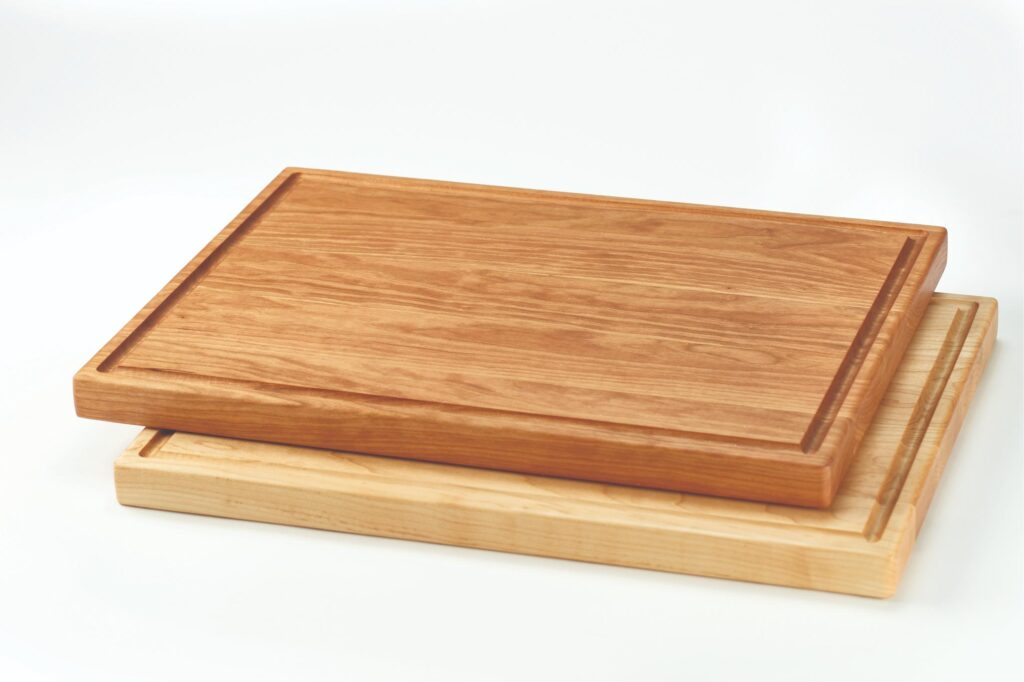
Did you know that using sustainable wood cutting boards can help preserve forests and reduce carbon emissions? When it comes to selecting the best eco-friendly option for your kitchen, the choices can be overwhelming. From bamboo’s rapid growth to the character-rich allure of reclaimed wood, each material offers unique benefits. So, which sustainable wood cutting board will elevate your culinary experience and align with your eco-conscious values? Let’s explore the top selections to find the perfect match for your kitchen needs.
When it comes to sustainable kitchenware choices, the eco-friendly bamboo cutting board stands out as a popular option. Bamboo sustainability is a key factor to consider when looking for environmentally friendly kitchen tools. Bamboo is a fast-growing grass that can be harvested without killing the plant, making it a highly renewable resource. This characteristic sets bamboo apart from traditional hardwoods, which take much longer to grow and regenerate.
In terms of bamboo maintenance, these cutting boards require a bit of care to ensure longevity. To clean your bamboo cutting board, simply wash it with warm, soapy water, rinse thoroughly, and dry it immediately. Avoid soaking the board or putting it in the dishwasher, as excessive moisture can cause warping or cracking.
Additionally, it’s recommended that the cutting board be periodically treated with food-safe mineral oil to prevent odors and bacteria buildup.
Considering bamboo’s sustainable nature and durability, investing in an eco-friendly bamboo cutting board benefits the environment and offers a long-lasting kitchen accessory. By choosing bamboo, you contribute to reducing deforestation and supporting a more sustainable lifestyle.
Crafted from repurposed wood, the reclaimed wood chopping block offers a sustainable and aesthetically pleasing alternative for your kitchen. Choosing a reclaimed wood chopping block adds a touch of rustic charm to your cooking space and contributes to reducing waste and environmental impact.
One key benefit of opting for a reclaimed wood chopping block is its eco-friendly nature. By giving new life to old wood, you’re participating in the movement towards sustainability and responsible sourcing. Additionally, the unique history and character of reclaimed wood add a distinctive touch to your kitchen decor, making each chopping block one-of-a-kind.
To ensure your reclaimed wood chopping block remains in top condition, it’s important to follow some simple maintenance tips. Regularly oiling the wood with food-grade mineral oil helps prevent it from drying out and cracking.
Cleaning the chopping block with a mixture of mild soap and water and avoiding soaking it will prolong its lifespan and maintain its appearance.
Incorporating a reclaimed wood chopping block into your kitchen benefits the environment and adds a warm and inviting element to your culinary space. By caring for it properly, you can enjoy its beauty and functionality for years.
For a durable and versatile kitchen essential, consider adding an Acacia Wood Butcher Board to your culinary arsenal. Acacia wood, known for its durability and water-resistant properties, makes it an excellent choice for a cutting board. Here are a few benefits and maintenance tips to keep in mind:
When caring for your Acacia Wood Butcher Board, remember to hand wash it with mild soap and warm water.
Avoid soaking the board or putting it in the dishwasher, as this can cause damage.
Additionally, periodically apply food-grade mineral oil to maintain its luster and prevent it from drying out.
Consider incorporating a Teak Wood Carving Board into your culinary workspace to expand your selection of high-quality kitchen tools. Teak wood is renowned for its exceptional durability and natural resistance to moisture, making it an ideal choice for a carving board that will withstand the test of time in your kitchen. Regarding teak maintenance, this wood requires minimal upkeep, allowing you to focus on your culinary creations rather than constant board care.
| Teak Wood Carving Board Features | Benefits |
|---|---|
| Superior Durability | Ensures long-lasting use and resistance to scratches |
| Low Maintenance | Requires minimal upkeep, saving time and effort |
| Natural Moisture Resistance | Prevents warping and cracking, maintaining board integrity |
This kitchen tool features a durable maple wood slicing surface and a versatile and reliable option for your culinary needs. Maple wood cutting boards aren’t only aesthetically pleasing but also come with a host of benefits and easy maintenance tips.
When it comes to maintaining your maple wood cutting board, follow these simple tips:
Investing in a maple wood cutting board elevates your kitchen aesthetics and ensures a reliable and sustainable tool that will last for years to come.
Choosing sustainable wood cutting boards like bamboo, reclaimed wood, acacia, teak, or maple is like selecting a reliable companion for your culinary adventures. These eco-friendly options enhance your kitchen aesthetics and contribute to reducing environmental impact. So why not make a conscious choice that benefits you and the planet? Choose a sustainable wood cutting board and let your kitchen shine with style and sustainability.