
FREE SHIPPING when you spend $100 (Continental US Only)
|
2 FREE 9″ Cherry Bowls when you spend $300
FREE SHIPPING when you spend $100 (Continental US Only)
|
2 FREE 9″ Maple Bowls when you spend $300
Share this post:
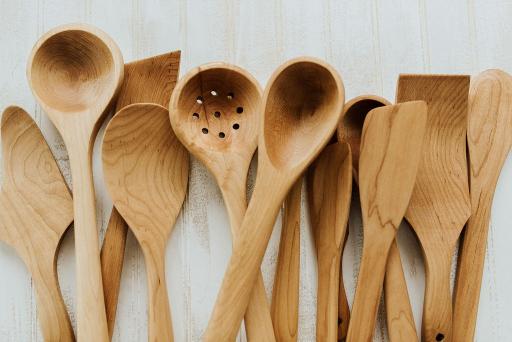
Maintaining your wooden utensils in top condition requires more than just a quick rinse. By incorporating a few simple practices into your daily routine, you can extend the lifespan of these kitchen essentials considerably. From the way you clean them to how you store them, each step plays an essential role in preserving the natural beauty and functionality of your wooden utensils. So, are you ready to discover the expert tips that will keep your utensils looking and performing at their best?
To maintain the longevity and quality of your wooden utensils, it’s crucial to employ proper cleaning techniques. Wooden utensils require gentle care to guarantee they remain in top condition for years.
When cleaning your wooden utensils, opt for natural disinfectants like a vinegar solution, which effectively removes bacteria without damaging the wood. Mix equal parts water and white vinegar in a spray bottle and spritz the solution onto the utensils before wiping them clean with a soft cloth.
Avoid using harsh chemicals or abrasive cleaners that can strip the wood of its natural oils and cause it to crack or warp over time. Instead, opt for soft scrubbers like a gentle sponge or cloth to delicately remove any food residue without scratching the surface of the wood.
Remember to always hand wash your wooden utensils with mild dish soap and warm water immediately after use to prevent food particles from drying and sticking to the surface.
When it comes to preserving your wooden utensils, proper drying methods are crucial.
Air drying your utensils by placing them upright in a well-ventilated area can help prevent moisture buildup and potential mold growth.
Alternatively, you can use the towel drying technique to quickly remove excess water and guarantee your utensils are thoroughly dried before storage.
If you want to properly preserve your wooden utensils, one effective method is air drying them. Air drying your utensils can help prevent warping and avoid cracks, promoting longevity and maintaining quality.
Here are some tips to ensure successful air drying:
For wooden utensils, the towel drying technique offers a reliable method for preserving and maintaining their quality. After washing your wooden utensils, gently wipe them with a clean, dry towel to prevent moisture from seeping into the wood. This step is vital in preventing warping, cracking, or mold growth, which can be harmful to the longevity of your utensils.
When towel drying, pay attention to heat prevention by ensuring the utensils aren’t exposed to direct sunlight or placed near a heat source. Excessive heat can cause the wood to dry out too quickly, leading to cracks and splinters.
Additionally, make sure to thoroughly dry all surfaces, including crevices and handles, to prevent any lingering moisture that could damage the wood over time.
Regular oil treatment is necessary to maintain the longevity and quality of your wooden utensils. Proper oil application enhances the appearance of your wooden items and plays an essential role in wood maintenance. Here are some key tips to maintain your wooden utensils effectively:
When it comes to preserving the quality of your wooden utensils, one important aspect to keep in mind is avoiding the use of harsh detergents. Using gentle cleaning methods and natural products can help maintain the beauty and longevity of your wooden kitchen tools.
To safeguard your wooden utensils and stay in top condition, opt for mild dish soaps or specially formulated wooden utensil cleaners. Harsh detergents can strip the wood of its natural oils and cause it to dry out or crack over time. Here’s a handy guide to help you navigate the world of cleaning solutions for your wooden utensils:
| Cleaning Agent | Effectiveness | Suitability | Notes |
|---|---|---|---|
| Mild Dish Soap | High | Excellent | Gentle on wood and effective at removing grease and food residues. |
| Wooden Utensil Cleaner | Very High | Excellent | Specifically designed for wooden utensils, ensuring proper care and maintenance. |
| Vinegar Solution | Medium | Good | It is a natural alternative for disinfecting wooden utensils, but it may have a strong odor. |
Properly storing your wooden utensils is vital to maintaining quality and prolonging lifespan. Here are some key tips to help you store your wooden utensils correctly:
If your wooden utensils have developed small cracks, it’s crucial to address this issue promptly to prevent further damage. Small cracks can worsen over time, leading to potential breakage or splintering. There are two main approaches to repairing these cracks effectively: filling cracks through sanding and sealing cracks with varnishing.
When filling cracks, start by gently sanding the area around the crack to create a smooth surface. Use fine-grit sandpaper and work in the direction of the wood grain to avoid causing additional harm. Once the crack is smooth, apply a food-safe wood filler into the gap and let it dry completely. Sand the area once more to ensure a seamless finish.
For sealing cracks, varnishing is a great option to prevent moisture from seeping into the wood and causing further harm. Choose a food-grade varnish and apply it over the cracks using a small brush. Make sure to coat the entire utensil evenly and let it dry according to the varnish manufacturer’s guidelines.
To help you decide between filling and sealing cracks, consider the following table:
| Filling Cracks | Sealing Cracks |
|---|---|
| Restores structural integrity | Prevents moisture damage |
| Requires regular upkeep | Provides long-term protection |
| Ideal for minor cracks | Suitable for larger cracks |
To prevent mold growth on your wooden utensils, it’s essential to control moisture levels in your kitchen.
Make sure to wipe utensils dry after washing them, and avoid leaving them in damp areas.
Additionally, consider storing your wooden utensils in a well-ventilated area to prevent moisture buildup and mold formation.
To maintain wooden utensils and prevent mold growth, implementing effective moisture control techniques is crucial. Maintaining the right levels of humidity and preventing moisture absorption are key factors in safeguarding your wooden utensils. Here are some techniques to help you keep your utensils in top condition:
When it comes to preserving your wooden utensils and preventing mold growth, employing proper cleaning and drying methods is vital. To prevent warping and maintain kitchen hygiene, it’s important to wash your wooden utensils by hand with mild soap and warm water. Avoid soaking them for extended periods or putting them in the dishwasher, as excessive moisture can lead to mold growth.
After cleaning, make sure to thoroughly dry them by hand-drying them immediately with a clean towel and allowing them to air dry completely before storage.
For long-term care, periodically treat your wooden utensils with mineral oil or beeswax to maintain their luster and prevent drying out. This will also create a protective barrier against moisture, further safeguarding them from mold. Additionally, inspect your utensils regularly for any signs of wear or damage and address them promptly to prolong their lifespan.
Preserving the quality of your wooden utensils extends beyond mere cleaning and drying; proper storage plays a significant role in preventing mold growth. When it comes to storing your wooden utensils, consider the following tips to maintain their longevity:
Proper care and maintenance of wooden utensils are vital to ensure their durability and safe use in the kitchen. When using wooden utensils safely, there are a few key practices to keep in mind.
Firstly, it’s essential to avoid soaking wooden utensils in water for extended periods. Prolonged exposure to moisture can cause the wood to swell and potentially crack. Instead, wash them by hand with mild soap and warm water, then promptly dry them thoroughly with a towel. This simple habit will help prevent any damage and maintain the integrity of the wood.
Another important practice is seasoning your wooden utensils regularly. Seasoning involves applying a food-safe oil, such as mineral oil or coconut oil, to the utensils to keep the wood hydrated and protected.
This process enhances the natural beauty of the wood and creates a protective barrier against moisture and food particles.
By following these top tips for wooden utensil preservation, you can ensure that your kitchen tools remain in excellent condition for years to come. Remember, proper cleaning techniques, regular oil treatments, and correct storage are essential for maintaining the beauty and functionality of your wooden utensils. So, next time you reach for that wooden spoon or spatula, you can be assured that you are using a well-preserved and safe kitchen accessory.
