
FREE SHIPPING when you spend $100 (Continental US Only)
|
2 FREE 9″ Cherry Bowls when you spend $300
15% OFF SITEWIDE through June 9
|
FREE SHIPPING when you spend $100 (Continental US Only)
|
2 FREE 9″ Maple Bowls when you spend $300
Share this post:
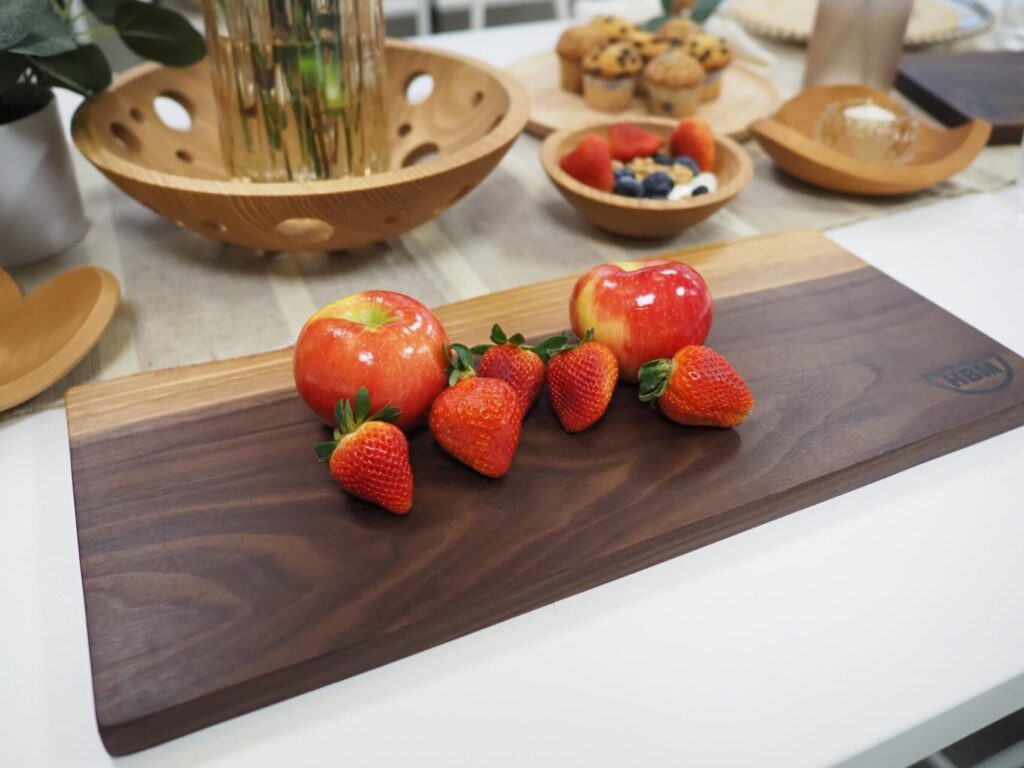
Imagine effortlessly slicing through tender cuts of meat on a sturdy wooden surface, the rich grains of the wood enhancing the experience. But how do you choose the perfect wood cutting board for this task? From selecting the ideal hardwood to understanding maintenance essentials, these tips will elevate your meat carving game. Immerse yourself in the world of top wood cutting boards and confidently elevate your culinary skills.
When choosing a wood cutting board for meat carving, the type of wood you select plays an essential role in both performance and longevity. Opting for a hardwood cutting board brings numerous benefits. Hardwoods like maple, cherry, walnut, and teak are popular choices due to their durability and resistance to moisture.
These woods are less prone to knife marks and are more forgiving on your blades, ensuring a longer lifespan for both your knives and the cutting board.
One vital feature to look for in a wood cutting board is end grain durability. End grain boards are constructed by fusing the end pieces of wood together, creating a surface that’s gentle on knife edges.
This construction also allows the board to self-heal to a certain extent, minimizing the visibility of knife marks and prolonging the board’s lifespan. End grain boards are known for their superior durability, making them ideal for heavy-duty tasks like meat carving.
Investing in a high-quality hardwood cutting board with end grain durability will enhance your meat carving experience and provide a long-lasting kitchen tool that you can rely on for years to come.
Choose a wood type that suits your preferences and needs, ensuring that your cutting board becomes an essential part of your culinary journey.
Size and thickness considerations are vital factors to keep in mind when selecting a wood cutting board for meat carving. The right dimensions and stability of your carving board can make a significant difference in your culinary experience. Here are some key points to reflect on:
Having sufficient space around the meat piece allows for better control and maneuverability during the carving process.
Look for a board with a thickness that provides a sturdy cutting surface without being excessively heavy or cumbersome to handle.
Reflect on your kitchen space and storage capabilities when selecting the dimensions of your cutting board to ensure it fits seamlessly into your culinary workflow.
For the best performance and longevity of your wood-cutting board dedicated to meat carving, proper maintenance and care are vital.
When it comes to cleaning techniques, always hand wash your wood cutting board with warm, soapy water immediately after each use. Avoid soaking it or placing it in the dishwasher, as excess moisture can cause warping and cracking. Make certain your board is completely dry before storing it to prevent mold growth.
Regular oil application is essential to keep your wood cutting board in top condition. Use food-grade mineral oil or butcher block conditioner to moisturize the wood and prevent it from drying out or absorbing liquids.
Apply a generous amount of oil in the direction of the grain, allowing it to penetrate the wood for a few hours or overnight. Wipe off any excess oil to avoid a sticky residue.
To maintain the beauty and integrity of your wood cutting board, perform a deep clean every month using a mixture of salt and lemon juice to disinfect and deodorize the surface.
Scrub the board with this natural solution, rinse thoroughly, and let it dry completely before reapplying oil. By following these cleaning techniques and oil application practices, your wood cutting board will remain a reliable tool for meat carving for years to come.
When it comes to choosing the best wood cutting board for meat carving, remember these three key tips: prioritize hardwoods like maple or walnut, opt for a thicker board for stability, make certain it has juice grooves or drip trays, select reputable brands like John Boos or Catskill Craftsmen, and maintain it with regular oiling and cleaning. Just like a skilled chef carefully selects their ingredients, a quality cutting board is essential for a successful culinary experience.