
FREE SHIPPING when you spend $100 (Continental US Only)
|
2 FREE 9″ Cherry Bowls when you spend $300
15% OFF SITEWIDE through June 9
|
FREE SHIPPING when you spend $100 (Continental US Only)
|
2 FREE 9″ Maple Bowls when you spend $300
Share this post:
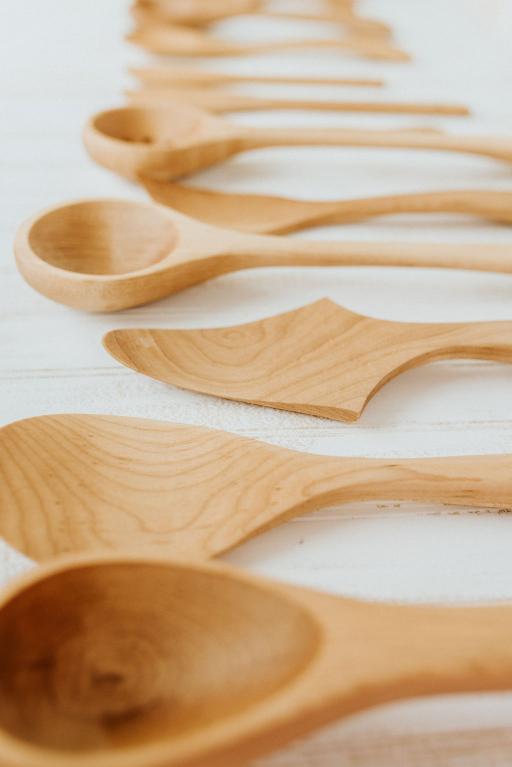
From stylish bamboo salad servers to sturdy acacia wood spatulas, the options can be overwhelming. But fear not, as we’ve narrowed down the top-rated choices to help you make informed decisions on which sustainable wooden utensils will elevate your culinary experience while also aligning with your commitment to sustainability.
Utilizing sustainable wooden utensils offers a myriad of benefits that extend beyond just being environmentally friendly. When considering the environmental impact, wooden utensils stand out for their biodegradability, reducing the carbon footprint compared to plastic alternatives.
The durability of wooden utensils is another key advantage, as they tend to last longer with proper care, reducing the frequency of replacements and consequently decreasing waste generation.
In addition to their environmental benefits, sustainable wooden utensils also offer aesthetic appeal. The natural texture and warmth of wood can enhance the visual appeal of your table setting, adding a touch of rustic charm to your dining experience.
Additionally, wooden utensils can provide health benefits, especially when compared to plastic utensils. Wood is non-reactive and doesn’t leach harmful chemicals into your food, ensuring a safer and healthier option for meal preparation and consumption.
Sustainable wooden utensils have gained popularity due to their eco-friendly nature and various benefits. When it comes to eco-friendly wood bowl choices, opting for sustainable wood serving ware contributes to reducing environmental impact and also adds a touch of natural elegance to your table setting.
In selecting wood bowls, consider eco-friendly alternatives like bamboo, acacia, or teak. These materials are known for their durability and sustainability, making them excellent choices for conscious consumers. To maintain the longevity of your wood bowls, regular maintenance is key. Avoid soaking them in water for extended periods, and opt for hand washing with mild soap instead of using a dishwasher. Additionally, applying food-safe wood oil periodically can help preserve the wood and prevent cracking.
Design trends in sustainable wood bowls showcase a mix of traditional craftsmanship and modern aesthetics. From sleek minimalist designs to intricately carved patterns, there’s a wide range of options to suit various preferences.
When choosing a wood bowl, look for one that aligns with your style and functional needs while also considering its eco-friendly qualities. By investing in eco-friendly wood bowls, you elevate your dining experience and contribute to a more sustainable future.
When pondering kitchen utensils, the significance of selecting high-grade tools can’t be emphasized enough. In the domain of sustainable kitchenware, eco-conscious utensils like wood spoon sets are gaining popularity for their resilience and environmentally-friendly production. Wood spoon sets provide a natural aesthetic to your kitchen and a sustainable substitute for plastic or metal utensils.
When searching for top choices in wood spoon sets, it’s vital to take into account factors such as the types of wood utilized, the artistry, and the overall durability of the utensils. Some sought-after options include bamboo spoon sets, olive wood spoon sets, and acacia wood spoon sets. These sets frequently include a variety of spoon sizes, making them adaptable for different cooking requirements.
Apart from wood spoon sets, wood spatula alternatives are also worth exploring for a full wooden utensil collection. These spatulas can be utilized for flipping, stirring, and serving various dishes, adding a hint of natural sophistication to your kitchen.
To ensure the lastingness of your wood spoon sets, proper wood spoon care is essential. Regularly applying food-safe mineral oil to the spoons can help prevent cracking and drying out. Avoid immersing them in water for extended periods, and always hand wash them to preserve their quality.
Investing in a top-notch wood spoon set enriches your cooking experience and contributes to a more sustainable and environmentally friendly kitchen environment.
As you embark on the journey of selecting wooden utensils for your kitchen, various factors come into play to make a well-informed decision. To make sure you choose the best sustainable wooden utensils, consider the following factors:
When considering popular wood spatula options, it’s necessary to compare the materials used in their construction for durability and safety.
Additionally, examining the ergonomic design features can provide insights into comfort and usability during cooking tasks.
These factors play a pivotal role in determining the overall quality and performance of wood spatulas in the kitchen.
To understand the nuances of spatula material comparison among popular wood options, it’s essential to examine the specific characteristics and benefits offered by each type. When considering spatula maintenance and supporting sustainable spatula brands, the choice of material becomes critical. Here are some popular wood options for spatulas:
Each of these wood options brings unique qualities to the table, catering to different preferences and cooking styles.
Four popular wooden spatula choices are notable for their ergonomic design elements, improving user comfort and efficiency during culinary tasks. These spatulas are made from sustainable materials, promoting eco-friendliness while offering resilience. With a focus on a comfortable grip and stylish design, these utensils enhance your cooking experience and contribute aesthetic appeal to your kitchen.
The first choice features an ergonomic handle that fits perfectly in your hand, reducing strain during extended use. Its sleek design adds a hint of sophistication to your culinary tools.
The second spatula combines sustainable bamboo with a meticulously designed grip, allowing for precise control and easy handling. This choice’s durability ensures longevity in your kitchen arsenal.
The third spatula showcases a contoured handle that encourages a natural grip, enhancing comfort and maneuverability. Its classic design adds elegance to your cooking area.
Wooden utensils are a staple in many kitchens due to their versatility and durability. When it comes to cooking techniques and kitchen essentials, the right wooden utensils can make a significant difference in your culinary experience.
Here are some of the best wooden utensils for cooking:
Crafted from sustainably sourced wood, salad servers play an important role in enhancing your dining experience while aligning with eco-friendly practices. When considering wood serving utensils, sustainable kitchenware is a top choice for those seeking a more environmentally conscious lifestyle. Handmade salad servers, classified as organic utensils, are visually appealing and offer a range of benefits.
Sustainable wood salad servers are often made from materials like bamboo, acacia, or olive wood, all of which are known for their durability and eco-friendly properties. These utensils are crafted with precision, ensuring a smooth finish that’s gentle on your salad greens while serving.
The organic nature of these handmade salad servers adds a touch of rustic charm to your table setting, creating a warm and inviting atmosphere for your meals.
Investing in sustainable wood salad servers is a step towards reducing your carbon footprint in the kitchen. By choosing these environmentally friendly options, you’re contributing to the preservation of natural resources and supporting artisans who prioritize ethical production practices.
Make a conscious choice to incorporate these wooden utensils into your dining experience, knowing that you’re making a positive impact on the planet while enjoying the benefits of high-quality, sustainable kitchenware.
When caring for wooden kitchen utensils, proper maintenance is crucial to ensure their longevity and performance. Wooden utensils can last for years with the right care. Here are some essential care tips to safeguard your wooden kitchen utensils stay in top condition:
When it comes to selecting sustainable wooden utensils, think about the advantages of eco-conscious materials like bamboo or acacia. Don’t forget to properly maintain your wooden utensils to prolong their lifespan and preserve their environmentally friendly attributes. Make the mindful decision to endorse sustainable practices in your kitchen and dining experience.