
FREE SHIPPING when you spend $100 (Continental US Only)
|
2 FREE 9″ Cherry Bowls when you spend $300
FREE SHIPPING when you spend $100 (Continental US Only)
|
2 FREE 9″ Maple Bowls when you spend $300
Share this post:
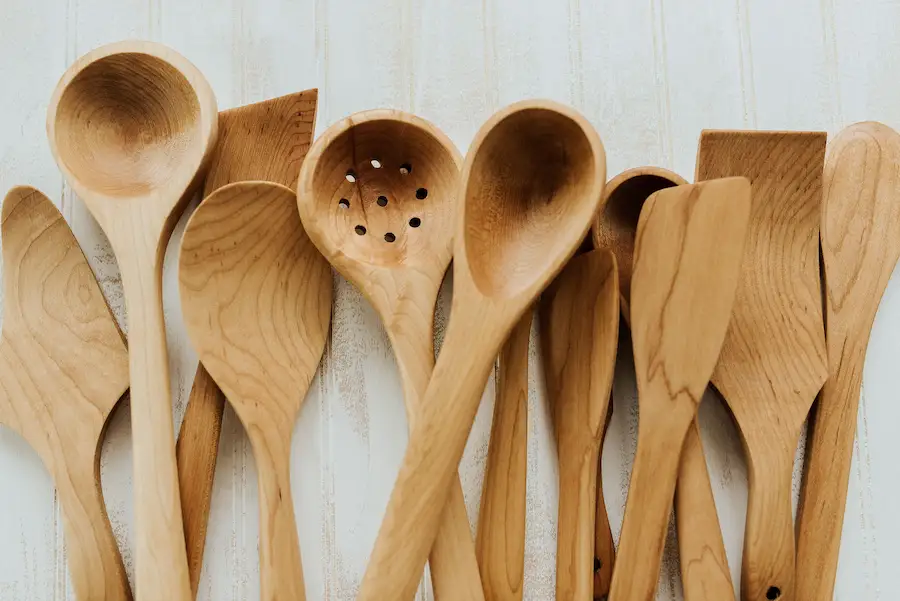
Did you know that choosing wooden utensils can have a significant impact on the environment? The sustainable nature of wooden utensils goes beyond just being a trendy choice. Their sustainability stems from various factors that make them an eco-conscious option for your kitchen. From renewable sourcing practices to their biodegradability and low carbon footprint, wooden utensils offer a range of benefits that make them stand out as a sustainable choice. But what exactly sets them apart and makes them a preferred option for those looking to make more environmentally friendly choices in their everyday lives?
Crafted from sustainably sourced wood, wooden utensils are considered a renewable resource due to their ability to be replenished naturally. Sustainable sourcing practices ensure that the wood used for these utensils comes from responsibly managed forests or plantations, where trees are replanted to maintain the ecosystem’s balance. This eco-friendly production process minimizes the impact on the environment and supports the livelihoods of local communities involved in forestry.
One of the key aspects that make wooden utensils a sustainable choice is their biodegradability. Unlike plastic utensils that can take hundreds of years to decompose, wooden utensils break down naturally, reducing waste and pollution. This aligns with the values of individuals seeking to make environmentally conscious decisions in their daily lives.
Furthermore, wooden utensils are durable and long-lasting, making them a reliable option for your kitchen needs. With proper care, they can withstand regular use and last for years, reducing the need for frequent replacements. This longevity saves you money in the long run and contributes to minimizing resource consumption and waste generation.
How do wooden utensils offer a sustainable solution through their biodegradable material? Wooden utensils aren’t simply eco-friendly alternatives; they also excel in biodegradability. The biodegradable nature of wooden utensils stems from the fact that they’re made from organic farming practices. Unlike plastic utensils that can take hundreds of years to decompose, wooden utensils break down naturally, contributing to a healthier environment.
Organic farming plays a vital role in ensuring the sustainability of wooden utensils. By utilizing organic farming methods, the wood used in these utensils is grown without harmful pesticides or chemicals. This benefits the environment by reducing pollution and promoting healthier soil and water quality.
When it comes to disposal, wooden utensils offer an eco-friendly solution. Once these utensils have reached the end of their life cycle, they can be easily disposed of in an eco-friendly manner. Unlike plastic utensils that contribute to landfill waste, wooden utensils can be composted or recycled, further reducing their environmental impact.
Wooden utensils stand out for their biodegradable nature as well as for their low environmental impact. When it comes to sustainability, wooden utensils shine due to their eco-friendly properties. One key aspect contributing to their low environmental impact is sustainable sourcing. Manufacturers often harvest wood from responsibly managed forests or use reclaimed wood, ensuring that the production of wooden utensils doesn’t contribute to deforestation or harm natural habitats.
Choosing wooden utensils over plastic alternatives provides an eco-friendly alternative that reduces environmental harm. Plastic utensils, when disposed of, can linger in landfills for hundreds of years, releasing harmful chemicals into the environment.
On the other hand, wooden utensils are biodegradable, meaning they can decompose naturally without leaving a lasting impact on the environment.
With a much lower carbon footprint compared to plastic utensils, wooden utensils are a sustainable choice for those looking to reduce their environmental impact. The reduced carbon footprint of wooden utensils can be attributed to their renewable sourcing and eco-conscious production processes.
Wooden utensils are typically sourced from responsibly managed forests where trees are replanted to ensure a continuous supply. This renewable sourcing helps mitigate deforestation and promotes forest regeneration.
In contrast, the production of plastic utensils involves the extraction of fossil fuels, energy-intensive manufacturing processes, and the release of greenhouse gases into the atmosphere.
Additionally, the eco-conscious production of wooden utensils involves minimal processing and energy consumption. The shaping and finishing of wooden utensils usually require traditional woodworking techniques that have a lower environmental impact compared to the industrial processes involved in producing plastic utensils.
To further emphasize the sustainability of wooden utensils, their long lifespan is vital to ponder. Wooden utensils are crafted from a durable material that can withstand frequent use without deteriorating quickly. This durability makes them an eco-friendly choice as they outlast many other types of utensils, reducing the need for frequent replacements and ultimately decreasing waste.
Research has shown that wooden utensils can last for many years when properly cared for, making them a wise investment for your kitchen. Unlike plastic utensils that can warp or break easily, wooden utensils maintain their integrity over time, even with regular use.
Their sturdy construction allows them to stand up to heat, moisture, and daily wear, ensuring that they remain functional for an extended period.
Furthermore, wooden utensils develop a beautiful patina with age, adding character to your kitchen and enhancing its overall aesthetic appeal. This natural aging process showcases the authenticity of the material and contributes to each utensil’s unique charm.
Crafting wooden utensils in an energy-saving manner is an important aspect of their sustainability. By using energy-efficient techniques and sustainable manufacturing processes, the production of wooden utensils can greatly decrease its environmental impact. Here are some key methods used in energy-saving production:
By choosing wooden utensils, you actively support sustainable forestry practices. Forest conservation efforts are crucial as they ensure the preservation of natural habitats and biodiversity. Additionally, wooden utensils utilize a renewable resource, contributing to the reduction of carbon footprint and environmental impact.
Amid escalating concerns regarding deforestation worldwide, the implementation of forest conservation efforts is vital in supporting sustainable forestry practices. Forest conservation helps protect wildlife habitats and fosters community engagement in preserving natural resources. Here are some key ways forest conservation efforts contribute to sustainable forestry:
Harnessing renewable resources is a cornerstone of sustainable forestry practices, ensuring the longevity and health of our forests for future generations. Wooden utensils are made from sustainable materials, sourced ethically to support eco-friendly manufacturing processes. By utilizing renewable resources like responsibly managed forests, wooden utensils contribute to environmental benefits such as biodiversity conservation and reduced carbon emissions.
Ethical sourcing of wood for utensils involves practices that prioritize the health and regeneration of forests, ensuring that the ecosystem is harnessed beyond its capacity to recover. This approach supports sustainable forestry, where trees are harvested in a manner that allows new growth and replenishment, making it a renewable resource for generations to come.
Choosing wooden utensils crafted from sustainably sourced materials enhances your kitchen experience and aligns with your desire for eco-friendly practices. By opting for products that support renewable resource usage, you contribute to promoting ethical sourcing and environmental sustainability in the manufacturing industry.
To reduce the carbon footprint associated with utensil production, sustainable forestry practices play a significant role in mitigating environmental impact. Wooden utensils sourced from sustainably managed forests contribute to carbon footprint reduction through several key methods:
So, next time you’re in need of utensils, remember that wooden ones are like a sturdy oak tree in a bustling forest – reliable, sustainable, and standing the test of time. Make the eco-conscious choice to support responsible forest management and biodiversity conservation by opting for wooden utensils. Let’s help protect our planet one meal at a time.
