
FREE SHIPPING when you spend $100 (Continental US Only)
|
2 FREE 9″ Cherry Bowls when you spend $300
FREE SHIPPING when you spend $100 (Continental US Only)
|
2 FREE 9″ Maple Bowls when you spend $300
Share this post:
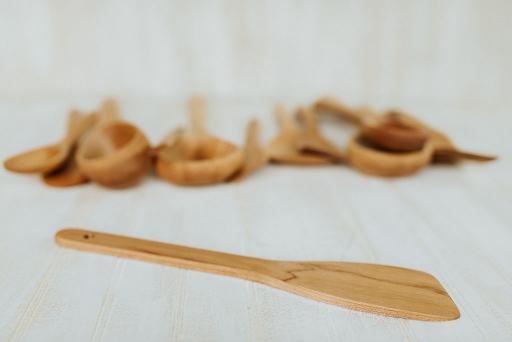
You’ve likely heard of the eco-friendly reputation of wooden utensils, but have you ever considered what specific qualities make them a sustainable choice for your kitchen? From their origins to their end-of-life disposal, wooden utensils offer a range of benefits that go beyond just being biodegradable. Let’s explore the various aspects that contribute to the eco-friendliness of these timeless kitchen tools and how they align with your environmentally conscious lifestyle.
When considering the eco-friendliness of wooden utensils, one essential aspect to focus on is sustainable sourcing. To truly embrace the environmentally conscious nature of wooden utensils, it’s crucial to investigate the origins of the wood used in their making. Ethical practices and fair trade principles play a vital role in ensuring that the wooden utensils you use are eco-friendly and socially responsible.
By opting for wooden utensils sourced from companies that prioritize ethical practices, you contribute to a supply chain that values both the environment and the people involved in the production process. Fairtrade ensures that workers receive fair wages and operate in safe conditions, promoting a sense of community and support within the industry.
Choosing wooden utensils from sustainably sourced materials reduces the environmental impact and fosters a sense of belonging to a global movement toward sustainability.
When it comes to biodegradable material, wooden utensils shine as a sustainable option. Their production often involves sustainable sourcing practices, such as using responsibly managed forests. Besides having a reduced environmental impact compared to plastic utensils, they also offer earth-friendly disposal options, as they can naturally decompose without leaving harmful residues.
An essential aspect of wooden utensils’ eco-friendliness lies in their sustainable sourcing practices, particularly the use of biodegradable materials. By promoting ethical labor practices and fair trade sourcing, wooden utensil manufacturers contribute to a more sustainable future.
Ethical labor practices involve treating workers fairly, providing safe working conditions, and paying fair wages. Fairtrade sourcing ensures that the materials used in wooden utensils are sourced in a way that benefits both the environment and the communities involved in their production.
When wooden utensils are made from biodegradable materials sourced sustainably, they have a lower environmental impact compared to utensils made from non-renewable resources. This means that you’re selecting a more eco-friendly option for your kitchen while also supporting practices that promote social responsibility and environmental stewardship.
To further comprehend the eco-conscious nature of wooden utensils, it’s crucial to explore their reduced environmental impact through the use of biodegradable materials. Wooden utensils are crafted from sustainable materials like bamboo, which is known for its rapid growth and minimal environmental impact. This eco-friendly manufacturing process ensures that the utensils are durable and kind to the planet.
Here is a table highlighting the benefits of using wooden utensils made from sustainable materials:
| Benefits | Description |
|---|---|
| Biodegradable Material | Wooden utensils decompose naturally, reducing waste and environmental harm. |
| Renewable Resource | Sustainable materials like bamboo can be harvested without harming forests. |
| Eco-Conscious Manufacturing Practices | The production of wooden utensils often involves energy-efficient processes. |
Considering the eco-friendly nature of wooden utensils and their biodegradable properties, exploring earth-friendly disposal options is essential. When it comes to disposing of wooden utensils in an environmentally responsible manner, compostable options are the way to proceed. These utensils are made from sustainable materials like bamboo or birch, which naturally break down into organic matter when composted. By choosing compostable wooden utensils, you diminish waste sent to landfills and contribute to the creation of nutrient-rich soil for plants.
To properly compost wooden utensils, make sure they’re free from any non-compostable components like metal parts or plastic coatings. Once cleaned, cut the utensils into smaller pieces to accelerate the decomposition process. Place them in a compost bin along with other organic waste, and regularly turn the compost to aerate it. Within a few months, the wooden utensils will have completely broken down, leaving behind valuable compost for your garden.
Embracing compostable options for wooden utensils is a simple yet influential way to promote sustainability and reduce your environmental footprint.
With wooden utensils, you’re making a choice that has a minimal environmental impact. By opting for wooden utensils, you’re contributing to environmental benefits and supporting ethical practices. The sustainability impact of wooden utensils is significant, making them a top choice for eco-conscious individuals like yourself.
Wooden utensils are crafted from renewable resources such as bamboo or olive wood, which can be sustainably harvested without causing harm to the environment. Unlike plastic utensils that contribute to pollution and waste, wooden utensils biodegrade naturally, minimizing their impact on landfills and oceans. This eco-friendly disposal option aligns with your values of making responsible choices for the planet.
In addition to their minimal environmental impact, wooden utensils are often produced using ethical practices. Many manufacturers prioritize sustainable sourcing, fair labor conditions, and minimal waste production. By choosing wooden utensils, you’re supporting a supply chain that values both the environment and the people involved in the production process.
Opting for wooden utensils brings you a kitchen essential that offers exceptional longevity and durability. When considering sustainability and longevity in your kitchen tools, wooden utensils stand out for several reasons:
For those seeking kitchen utensils that prioritize safety and health, the non-toxic coating on wooden utensils is an important aspect to keep in mind. When it comes to eco-conscious design and sustainable craftsmanship, opting for wooden utensils with a non-toxic coating can greatly contribute to a healthier living environment for you and your loved ones.
Many traditional coatings used on kitchenware contain harmful chemicals like lead, cadmium, and phthalates, which can leach into food and pose health risks.
In contrast, non-toxic coatings on wooden utensils are typically made from natural oils like mineral oil, beeswax, or linseed oil. These coatings protect the wood from moisture and staining and ensure that no harmful chemicals come into contact with your food.
By choosing wooden utensils with a non-toxic coating, you aren’t just safeguarding your health but also supporting sustainable practices. These coatings are biodegradable and don’t release harmful toxins into the environment during production or disposal.
Additionally, wooden utensils are often sourced from responsibly managed forests, further enhancing the eco-friendliness of your kitchen tools.
When pondering the eco-friendliness of kitchen utensils, the aspect of being a renewable resource stands out as a significant factor to weigh in your decision-making process. Wooden utensils are sourced from forests managed sustainably, ensuring a continuous supply of raw materials without depleting natural resources.
To ensure the eco-friendliness of wooden utensils goes beyond their raw material sourcing, attention to energy-saving production processes becomes vital. Manufacturers are increasingly adopting sustainable practices to reduce their carbon footprint. One key aspect is the use of renewable energy sources in the production of wooden utensils. By incorporating solar, wind, or hydro energy, companies can significantly decrease their reliance on fossil fuels and minimize greenhouse gas emissions.
In addition to renewable energy, optimizing production processes is essential for energy efficiency. Implementing measures such as energy-efficient machinery, LED lighting, and insulation can lead to significant energy savings. Companies that prioritize energy efficiency contribute to environmental preservation and benefit from cost savings in the long run.
Furthermore, sustainable practices like recycling wood waste and using eco-friendly finishes are integral to energy-efficient production. By repurposing wood scraps and choosing non-toxic finishes, manufacturers can minimize waste and reduce their environmental impact.
When looking at the compostability of wooden utensils at the end of their life cycle, it’s important to mention that they’re made from a biodegradable material, ensuring zero plastic waste.
This eco-friendly disposal method aligns with sustainable practices, promoting a circular economy and reducing environmental impact.
Curious about what makes wooden utensils such a sustainable choice? When it comes to the biodegradable material used in wooden utensils, here are three key reasons why they’re a great eco-conscious option:
Crafted from plant-based materials that decompose naturally, wooden utensils offer a zero-plastic waste solution that’s compostable at the end of their useful life. By choosing wooden utensils, you’re actively reducing waste and participating in eco-conscious manufacturing practices.
Unlike plastic utensils that persist in landfills for hundreds of years, wooden utensils can be composted, returning nutrients back to the earth. This sustainable disposal method aligns with the principles of a circular economy, where products are designed to be reused or naturally break down without harming the environment.
In addition to their compostable nature, wooden utensils are often sourced from renewable materials like bamboo or beechwood, further reducing the carbon footprint of their production. As an eco-conscious consumer, opting for wooden utensils benefits the planet and supports sustainable forestry practices.
Opt for wooden utensils for an earth-friendly disposal solution that aligns with sustainable practices. When it comes to the end of life for your wooden utensils, they offer a compostable option that minimizes environmental impact.
Here are three reasons why wooden utensils are a great choice for sustainable disposal:
When you choose wooden utensils, you’re selecting a sustainable option for your kitchen; you’re actively supporting local artisans and their craft. By opting for wooden utensils, you contribute to community support and ethical production practices. Local artisans often handcraft these utensils, showcasing their skills and preserving traditional woodworking techniques.
Purchasing wooden utensils from local artisans helps in fostering a sense of belonging within your community. You become part of a movement that values the craftsmanship and dedication of these skilled individuals.
In addition, by supporting local artisans, you’re promoting ethical production methods that prioritize quality over mass production.
Choosing wooden utensils crafted by local artisans also allows you to connect with the story behind each piece. These artisans infuse their passion and expertise into every utensil they create, resulting in unique and high-quality products for your kitchen.
Furthermore, by supporting local artisans, you contribute to the sustainability of their livelihoods, ensuring that their craft continues to thrive for future generations.
When you opt for wooden utensils, you contribute to a reduced carbon footprint through sustainable sourcing practices. These utensils are biodegradable and renewable, ensuring minimal environmental impact in the long run.
Additionally, their energy-efficient production process further reduces their carbon footprint compared to other material alternatives.
To accomplish a reduced carbon footprint and promote sustainable practices within the production of wooden utensils, it’s essential to focus on sourcing methods that prioritize environmental stewardship. Sustainable sourcing practices play a vital role in ensuring that the production of wooden utensils is environmentally friendly and socially responsible.
Here are three key ways in which sustainable sourcing practices contribute to cutting down the carbon footprint of wooden utensils:
To further amplify the dedication to reducing carbon footprint and embracing sustainable practices in the production of wooden utensils, the focus shifts towards the biodegradability and renewability of these eco-friendly tools. Wooden utensils are made from renewable materials, such as bamboo and beechwood, which are sourced from responsibly managed forests. These materials have the advantage of being biodegradable, meaning they can naturally decompose without leaving harmful residues in the environment.
By choosing wooden utensils crafted through eco-conscious manufacturing processes, you contribute to a more sustainable future. The use of renewable resources ensures a continuous supply of materials without depleting natural ecosystems. Additionally, the biodegradability of wooden utensils reduces waste and minimizes the environmental impact compared to non-biodegradable alternatives.
Opting for wooden utensils enhances your culinary experience and also aligns with your values of sustainability and environmental stewardship. Embrace these eco-friendly tools to make a positive impact on the planet while enjoying the benefits of using renewable, biodegradable materials in your kitchen.
The energy-efficient production process utilized in crafting wooden utensils plays a crucial role in reducing the carbon footprint linked with their manufacturing. This sustainable manufacturing approach lessens the environmental impact and ensures that your wooden utensils are genuinely eco-friendly.
Here are three key ways in which energy-efficient production processes contribute to reducing waste and supporting sustainability:
As you embrace the eco-friendly benefits of wooden utensils, envision a flourishing forest where each utensil represents a tree standing tall and thriving. By choosing wooden utensils, you are reducing waste and supporting sustainable practices that help preserve our planet for future generations. Let these utensils symbolize your commitment to a greener lifestyle and a healthier environment.
