
FREE SHIPPING when you spend $100 (Continental US Only)
|
2 FREE 9″ Cherry Bowls when you spend $300
FREE SHIPPING when you spend $100 (Continental US Only)
|
2 FREE 9″ Maple Bowls when you spend $300
Share this post:
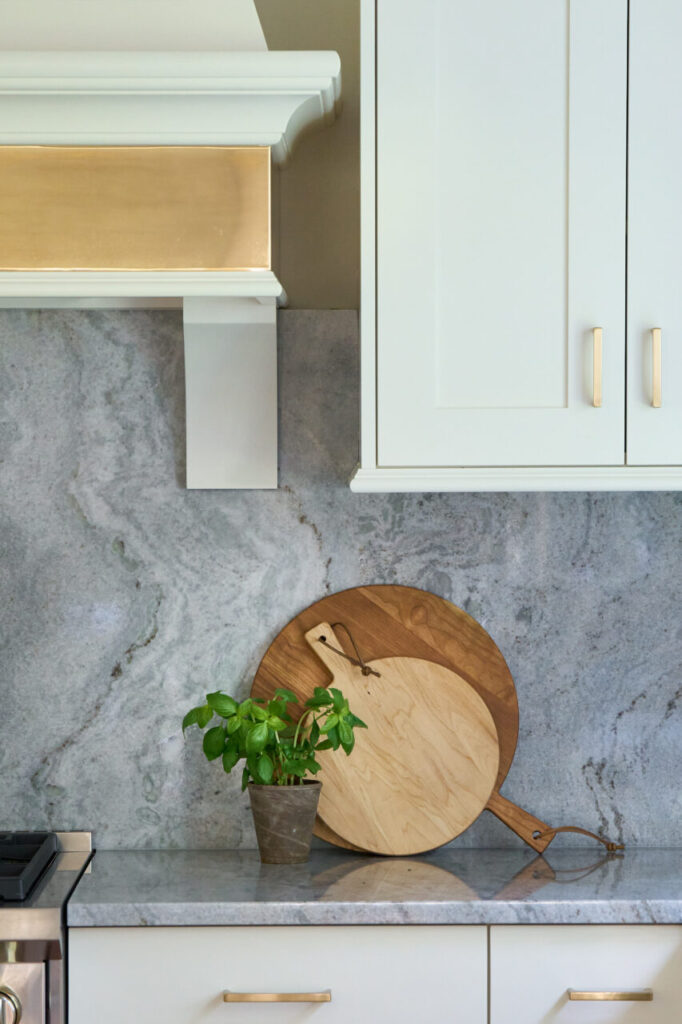
When selecting large wooden salad bowls, imagine hosting a dinner party and envisioning the perfect centerpiece for your freshly tossed salads. Now, picture that ideal bowl – the right size, wood type, and design to elevate your dining experience. But how do you guarantee you’re making the best choice among the vast options available? Let’s explore essential tips that will guide you in selecting the ideal large wooden salad bowl for your culinary endeavors.
When selecting large wooden salad bowls, the size plays an important role in how well it will suit your needs. Bowl dimensions are vital when considering the number of people you typically serve during gatherings or everyday meals.
A larger bowl, around 12 to 15 inches in diameter and 5 to 7 inches deep, is ideal for serving salads at family dinners or when hosting guests. These dimensions guarantee that you can toss and mix the salad ingredients comfortably without spilling over the sides.
For more intimate serving occasions, a medium-sized bowl, approximately 10 to 12 inches in diameter and 4 to 6 inches deep, might be more suitable. This size is perfect for serving salads to a smaller group of people or for personal use. It allows for a generous portion without overwhelming the table or individual settings.
On the other hand, if you often host large gatherings or parties, a giant wooden salad bowl, measuring over 15 inches in diameter and 7 inches deep, could be the best choice. This size is great for serving salads at events where many people are in attendance, assuring there’s enough to go around without constant refills.
Consider the serving occasions you most frequently encounter to determine the ideal size for your large wooden salad bowl. Finding the right dimensions will enhance your dining experience and make serving effortless and elegant.
As you explore large wooden salad bowls, one essential aspect to take into account is the type of wood used in their construction. When considering wood type selection, hardwood preferences play a significant role in the overall quality and durability of the bowl.
Hardwoods like maple, cherry, walnut, and teak are popular choices due to their strength, resistance to moisture, and longevity. Each type of wood brings its unique characteristics to the table, influencing both the aesthetics and functionality of the salad bowl.
Maple is favored for its light color and smooth grain, offering a classic and versatile look that complements a variety of table settings.
Cherry wood, on the other hand, boasts a rich reddish-brown hue that deepens over time, adding warmth and elegance to your dining experience.
Walnut is prized for its dark, luxurious appearance and strong, durable nature, making it a sophisticated choice for those seeking a bold statement piece.
Teak is renowned for its natural oils that repel water and resist warping, ideal for outdoor or casual indoor use.
When selecting a large wooden salad bowl, consider your hardwood preferences to guarantee the bowl not only enhances your table aesthetics but also withstands the test of time with grace and style.
When it comes to large wooden salad bowls, choosing the right sealant is essential in maintaining the beauty and durability of the wood.
Different sealant types offer varying levels of protection against moisture and stains, so it’s important to select one that suits your needs.
Additionally, regular maintenance tips such as reapplying sealant as needed can help prolong the life of your wooden salad bowl.
Selecting the appropriate sealant for your large wooden salad bowls is crucial in maintaining their longevity and appearance. Sealants offer numerous benefits, such as protecting the wood from moisture, stains, and scratches, while additionally enhancing its natural beauty.
When choosing a sealant for your wooden salad bowls, consider factors like ease of application, durability, and food safety.
There are various sealant types available for wooden bowls, including mineral oil, beeswax, shellac, and polyurethane. Mineral oil is a popular choice for its food-safe properties and ease of application. Beeswax provides a natural finish and pleasant aroma but may require more frequent reapplication. Shellac offers a glossy finish and good moisture resistance, while polyurethane provides excellent durability and scratch resistance.
When applying the sealant, verify the wooden bowl is clean and dry. Use a brush or cloth to evenly coat the surface with the sealant, following the manufacturer’s instructions for drying and curing times.
Properly sealed wooden salad bowls won’t just look beautiful but also withstand daily use for years to come.
To maintain the finish and sealant of your large wooden salad bowls, regular care and attention are essential. Proper cleaning techniques are vital in preserving the beauty and longevity of your bowls.
Avoid soaking them in water or placing them in the dishwasher, as this can damage the wood and sealant. Instead, gently hand wash the bowls with mild soap and warm water, ensuring they’re dried thoroughly immediately after cleaning.
When it comes to storage solutions, keep your wooden salad bowls in a cool, dry place away from direct sunlight and heat sources. Store them upright to prevent warping and maintain their shape.
Applying a food-safe mineral oil or beeswax finish every few months can help protect the wood and sealant from drying out and cracking.
For those in search of large wooden salad bowls, reflecting on the durability and maintenance of the chosen piece is vital. When it comes to wooden salad bowls, ensuring longevity and knowing the right cleaning techniques can greatly influence their lifespan. Opting for high-quality hardwoods like teak, acacia, or bamboo can guarantee durability and resistance to moisture, stains, and odors. Proper maintenance plays an essential role in preserving the beauty and functionality of your wooden salad bowl.
To help you make an informed decision, here is a table outlining some key factors to reflect on when evaluating the durability and maintenance requirements of large wooden salad bowls:
| Factor | Description |
|---|---|
| Wood Type | Choose hardwoods like teak, acacia, or bamboo for durability and longevity. |
| Finish | Look for a food-safe, protective finish to prevent stains and moisture. |
| Cleaning Instructions | Hand wash with mild soap and warm water; avoid soaking or dishwasher use. |
| Maintenance Routine | Regularly oil your wooden bowl to maintain its luster and prevent drying. |
| Storage | Store in a cool, dry place away from direct sunlight and extreme heat. |
When choosing large wooden salad bowls, consider the material and finish to match your kitchen decor and personal style.
The size and shape of the bowl should complement the serving needs and aesthetic of your table setting.
These design and style elements play an essential role in enhancing the overall dining experience and presentation of your salads.
With large wooden salad bowls, the material and finish play a significant role in enhancing the overall design and style of your dining table.
When considering the material, opt for sustainable options such as bamboo, acacia, or rubberwood, which not only provide durability but also align with eco-friendly values. These sustainability factors contribute to the aesthetic appeal of your dining experience, providing a natural and rustic charm to your table setting.
In terms of finish, choose between a glossy or matte varnish to suit your style preferences. A glossy finish adds a touch of elegance and shines, while a matte finish offers a more understated and subtle look. The finish can also affect the maintenance required, with glossy finishes potentially showing fingerprints more easily compared to matte ones.
Ultimately, selecting the right material and finish for your large wooden salad bowl can elevate the visual appeal of your dining table while as well reflecting your commitment to sustainability and style.
Consider the dimensions and contours of large wooden salad bowls as essential elements that influence the aesthetic appeal of your dining setting. When selecting a large wooden salad bowl, think about both its size and shape to guarantee it complements your tableware and serves its functionality features well.
For serving purposes, a larger bowl is ideal for family gatherings or dinner parties, allowing you to toss and serve salads with ease. However, if you typically prepare smaller portions or have limited table space, a medium-sized bowl might be more suitable.
The shape of the bowl can also impact its serving capabilities and visual appeal. For example, a bowl with gently sloping sides makes it easier to mix ingredients, while a bowl with a wider opening showcases the salad beautifully.
Ultimately, the size and shape of your large wooden salad bowl should align with your serving needs and aesthetic preferences to enhance your dining experience. Choose a bowl that not just looks stylish but also functions well in your everyday meals or special occasions.
To assess the price and value of large wooden salad bowls, it’s vital to take into account various factors that contribute to their overall cost and worth. When considering the cost of a large wooden salad bowl, it’s important to do a cost comparison among different options available in the market.
While some bowls may seem more expensive upfront, they might offer better quality and durability, making them a worthwhile long-term investment.
When evaluating the price of a large wooden salad bowl, consider the type of wood used in its construction. Exotic woods like acacia or teak tend to be pricier than more common options like bamboo.
However, these hardwoods are often more resilient and less prone to wear and tear, making them a cost-effective choice in the long run.
Additionally, the craftsmanship and design of the bowl can greatly impact its value. Handcrafted bowls with intricate details may come at a higher price point but can add a touch of elegance to your dining table.
On the other hand, simpler designs may offer better value for those seeking a more practical option.
Ultimately, when determining the price and value of large wooden salad bowls, it’s important to weigh the initial cost against the long-term benefits they provide.
So, when you’re on the hunt for the perfect large wooden salad bowl, remember these top tips. Size matters for gatherings, choose durable hardwoods like maple or cherry, and guarantee the finish is food-safe. Keep up with maintenance to preserve the beauty of the wood. Consider design to match your style, and evaluate the price for value. In the end, a well-chosen salad bowl will surely spice up your dining experience!
